

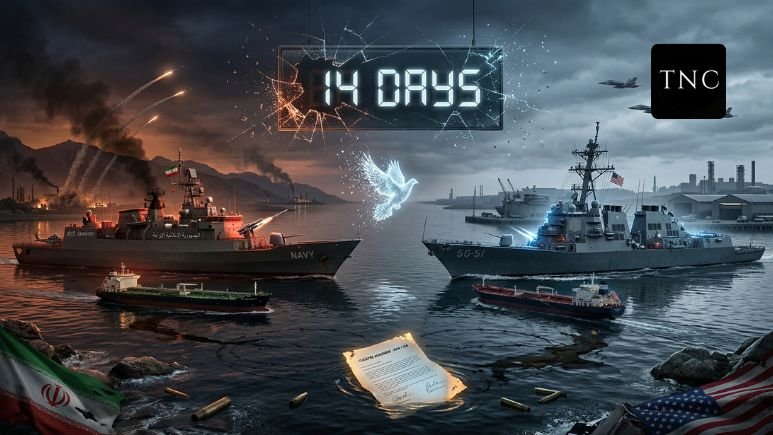

At 7:42 p.m. in Washington, the war room screens still glowed with satellite images of Iranian launch sites. Military planners had already finalized strike coordinates. In the Persian Gulf, naval commanders were bracing for escalation. Oil traders in Mumbai and Singapore watched prices spike by the minute.
Then, just hours before the deadline, the message came through.
Stand down.
In Tehran, sirens that had become part of daily life fell silent. In Islamabad, diplomats who hadn’t slept in days leaned back for the first time. And across global markets, a single headline triggered relief: the United States and Iran had agreed to a two-week ceasefire.
For now, the war would pause.
This fragile truce brokered largely by Pakistan, with quiet backing from China represents more than a temporary halt in fighting. It is a high-stakes diplomatic gamble to prevent a regional war from spiraling into a global economic and military crisis.
At its core, the ceasefire buys time: time to negotiate, time to stabilize oil routes, and time to test whether adversaries can step back from the brink. But the deeper story is about shifting global power how middle powers like Pakistan and strategic actors like China are reshaping conflict resolution in a world no longer dominated by a single superpower.
The ceasefire did not emerge from goodwill. It was forced by pressure military, economic, and geopolitical.
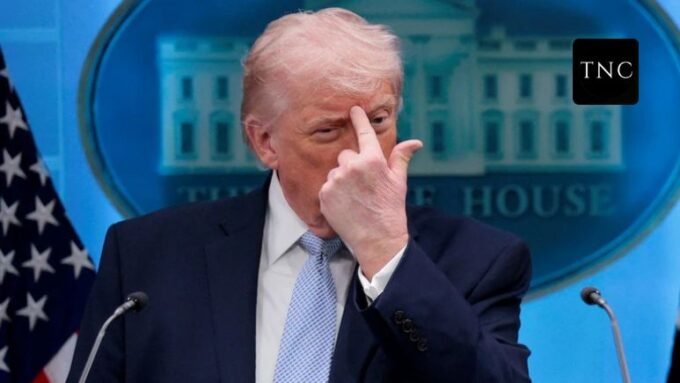
Just hours before the agreement, the United States was preparing large-scale strikes on Iranian infrastructure. President Donald Trump had set a hard deadline, raising the stakes to near-breaking points.
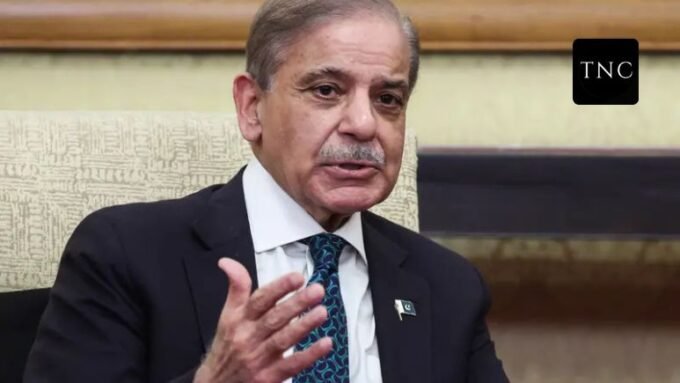
Pakistan stepped into that moment with a calculated proposal: a two-week pause in hostilities, paired with a critical concession from Iran the reopening of the Strait of Hormuz, one of the world’s most vital oil corridors.
That single condition changed everything.
The Strait of Hormuz carries a significant share of global oil supply. Its closure had already rattled markets and threatened energy security worldwide. Reopening it signaled immediate economic relief oil prices dropped, and Asian markets surged on the news.
But Pakistan’s role went beyond logistics. It acted as the primary communication channel between Washington and Tehran, shaping what insiders describe as a two-phase plan: immediate ceasefire first, broader agreement later.
China, meanwhile, played the quieter game.
Beijing avoided direct military involvement but leveraged its influence over Iran, its key oil supplier and strategic partner to nudge Tehran toward accepting the truce. Analysts say China’s priority was clear: prevent disruption to energy flows and global trade while positioning itself as a long-term stabilizer.
This dual-track diplomacy Pakistan as mediator, China as strategic backer reveals a new geopolitical pattern. Conflicts are no longer resolved solely by Western powers. Instead, regional players are asserting control over outcomes that directly affect them.
Still, the ceasefire is conditional and deeply fragile.
Iran has tied its compliance to a halt in attacks and broader demands, including sanctions relief and regional concessions. The United States, in turn, sees the truce as a test period, not a surrender.
Even as the agreement took effect, reports of missile alerts and unresolved tensions underscored a hard truth: the war hasn’t ended. It has simply paused.
And both sides are already framing the outcome as a victory.
This ceasefire is not peace. It’s a countdown.
Fourteen days to decide whether diplomacy can outpace destruction. Fourteen days to test whether emerging powers like Pakistan and China can hold the line where traditional superpowers nearly crossed it.
If negotiations succeed, this moment will mark the beginning of a new diplomatic order.
If they fail, it will be remembered as the pause before something far worse.
Also Read / The Midnight Broker: How Pakistan Tried to Stop a War With a Phone Call and a Ceasefire Plan.







Leave a comment