


Rosatom has dispatched the initial batch of advanced fuel for the new reactor in Tamil Nadu, a move that coincides with President Vladimir Putin’s strategic visit to New Delhi.
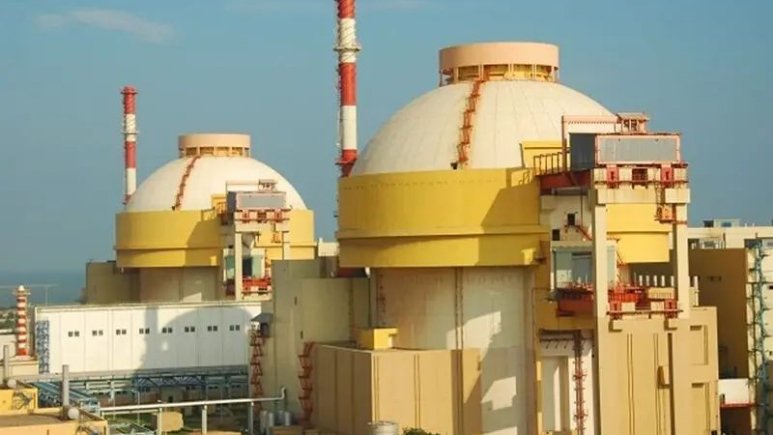
Russia’s state-run nuclear corporation, Rosatom, has officially commenced the delivery of nuclear fuel for Unit 3 of the Kudankulam Nuclear Power Plant (KKNPP), India’s largest nuclear facility. The first consignment of fuel assemblies arrived via a cargo flight on Thursday (4 December), marking a critical milestone just hours before President Putin landed in the capital for the annual bilateral summit.
The fuel, manufactured by the Novosibirsk Chemical Concentrates Plant, is of the advanced TVS-2M model. This specific fuel type is designed to be more rigid and includes a new-generation anti-debris filter, allowing the reactor to operate on a longer 18-month fuel cycle compared to the traditional 12-month cycle. This shift significantly improves the plant’s economic efficiency and reduces downtime for refuelling.
According to Rosatom, this shipment is the first of seven planned cargo flights that will deliver the entire reactor core plus reserve fuel for Unit 3. The supplies are part of a comprehensive contract signed in 2024 that covers the fuel requirements for both Unit 3 and Unit 4 for their entire operational service life.
“The introduction of this fuel has enabled the fuel cycle of the reactors to be extended… and power units are stopped less frequently for fuel reload and can generate more electricity,” Rosatom stated in an official release.
The delivery underscores the “successful cooperation between Rosatom’s Nuclear Fuel Division and Indian partners,” with the company noting that similar efficiency solutions have already been implemented in Russia and China.
The Kudankulam plant, located in Tamil Nadu, is the flagship project of the Indo-Russian energy partnership. Units 1 and 2 are already operational and connected to the southern grid. Unit 3 is currently in the pre-commissioning phase, while construction continues on Units 4, 5, and 6.
The timing of the delivery is highly symbolic, aligning with President Putin’s visit to discuss deepening energy ties. Beyond the existing large-scale reactors, both nations are reportedly exploring collaboration on Small Modular Reactors (SMRs) and floating nuclear power plants to further boost India’s clean energy capacity.
With the fuel now arriving, Unit 3 is on track for its initial fuel loading and subsequent “criticality” (the start of a controlled nuclear chain reaction). Officials expect the reactor to be fully commissioned and operational by mid-2026, adding another 1,000 MW of power to India’s energy grid.
Also Read / Jaishankar warns West: You will be ‘net losers’ if you block global talent.














Leave a comment