

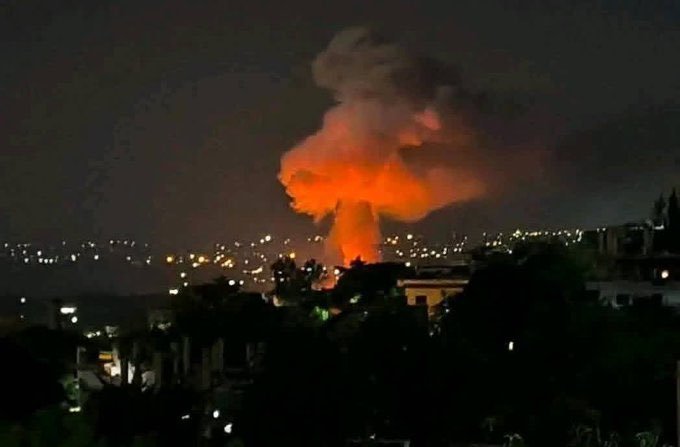

Pakistan airstrikes Afghanistan civilians. At least ten Afghan civilians, mostly children, were killed in cross border strikes that have intensified diplomatic pressure, border violence, and regional security concerns.
Civilian Home Destroyed in Overnight Airstrikes
Afghan authorities reported that overnight airstrikes carried out by Pakistani aircraft struck the Mughalgai area of the Gurbuz district in Khost province. The attack destroyed a residential compound and killed ten civilians. Local officials said the victims included nine children and one woman. Additional injuries were reported as rescue teams continued operations.
Residents shared accounts of the strike site and described extensive structural damage. Reports from Kunar and Paktika provinces indicated additional cross border raids that left at least four more civilians injured. Officials in Kabul said the final casualty count may rise once full assessments are completed.
Competing Narratives From Kabul and Islamabad
Afghanistan’s Taliban government publicly condemned the strikes and accused Pakistan of violating Afghan territory. Taliban spokesperson Zabihullah Mujahid described the civilian deaths as an assault on Afghan sovereignty.
Pakistan rejected these claims and stated that the operations targeted fighters from the Tehreek e Taliban Pakistan. Islamabad said its forces acted after a suicide attack in Peshawar killed three paramilitary personnel and that the strikes were aimed at militant hideouts rather than civilian homes.
Both countries have long accused each other of enabling armed groups along the border. The latest exchange has reinforced a pattern of retaliatory actions and distrust that has shaped political and security relations since the Taliban takeover in 2021.
For background on the broader conflict, readers can refer to War in Afghanistan Analysis and Pakistan Afghanistan Conflict Overview.
Border Violence Reignites After Short Ceasefire
The escalation occurred shortly after a Qatar facilitated forty eight hour ceasefire that briefly paused fighting earlier this month. That agreement collapsed once Pakistan resumed cross border operations, which Kabul considered a breach of the truce.
Artillery exchanges and new air operations followed, prompting renewed diplomatic efforts in Doha. Analysts warn that neither side has put forward a workable enforcement mechanism, which raises concerns that new confrontations could develop without warning.
For related context, see Regional Security in South Asia.
Children at Highest Risk in Civilian Toll
Humanitarian groups confirmed that the majority of casualties from the Khost strike were children. Footage from the site showed debris from the destroyed home and personal belongings scattered across the area. Local medical workers reported that many of the injured were women and minors.
International agencies have recorded rising civilian casualties from border clashes since October. United Nations officials cited more than thirty seven civilian deaths and several hundred injuries in recent weeks. Governments in the region, including Russia, China, Turkey, and Saudi Arabia, called on both sides to exercise restraint and limit harm to civilian areas.
Longstanding Sources of Tension
Disputes surrounding the Durand Line, long standing militant activity, and competing security interests continue to fuel instability. Pakistan asserts that Afghan territory is being used for staging attacks on its forces. Afghan officials counter that Pakistan conducts unauthorized strikes inside Afghan borders and supports elements hostile to Kabul.
The recent increase in TTP activity inside Pakistan has heightened Islamabad’s sense of vulnerability. Kabul maintains that cross border strikes undermine its sovereignty and worsen humanitarian conditions for civilians living near the frontier.
Readers seeking additional analysis can explore Conflict Drivers in the Afghanistan Pakistan Border Region.
Economic and Regional Implications
The latest violence disrupted trade flows through key border crossings. Transport officials in Afghanistan reported that hundreds of containers were halted, affecting commercial supply routes and humanitarian shipments.
Regional governments warned that prolonged instability could have broader effects on South Asian security. India repeated its call for respect of Afghan territory and raised concerns about the potential spread of conflict. International mediators said that without de escalation, the situation could evolve into a wider security challenge affecting multiple neighboring states.
Prospects for Dialogue
Diplomatic discussions in Doha remain ongoing. Humanitarian organizations are urging both governments to establish civilian protection corridors and suspend operations that may place non combatants at risk. The absence of a mutually agreed framework leaves communities near the frontier vulnerable to renewed strikes.
For those tracking updates on cross border policy, see South Asia Diplomatic Developments.
Summary Recent Pakistani airstrikes in Afghanistan resulted in the deaths of ten civilians and renewed a cycle of border violence involving Kabul and Islamabad. The incident has intensified diplomatic tensions, disrupted regional trade, and heightened security concerns across South Asia.











Leave a comment