

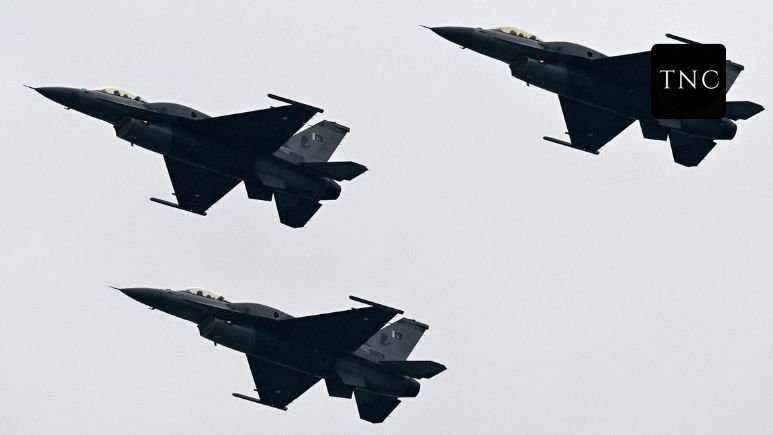

The roar came first sharp, metallic, and unmistakable. In the pale morning sky over Islamabad, residents paused mid-step as fighter jets cut through the air, banking low in tight formation. Traffic had already thinned; schools were shut, streets barricaded. On the ground, soldiers checked credentials at makeshift checkpoints. In the air, Pakistan’s military was sending a different kind of message: nothing about the coming talks would be left to chance.
For the Iranian delegation if it arrived at all the journey into Pakistan would be guarded not just by diplomacy, but by firepower.
Pakistan’s decision to deploy fighter jets ahead of anticipated U.S.-Iran negotiations is not merely a security measure, it’s a calculated signal. As Islamabad positions itself as a mediator in one of the most volatile conflicts in recent years, the move reflects both genuine concern over disruptions and a strategic attempt to assert relevance on the global stage. With a fragile ceasefire in place and uncertainty surrounding the talks, the jets symbolize a deeper question: is Pakistan securing peace, or performing power?
On paper, the justification is straightforward. The region is on edge. A two-week ceasefire between the United States and Iran hangs by a thread, threatened by ongoing strikes, proxy conflicts, and mistrust on both sides. Even the logistics of the talks remain uncertain; reports suggest Iran has hesitated to confirm participation amid continued violence in the region.
In that context, Pakistan’s “iron escort” strategy deploying fighter jets to secure airspace serves a clear purpose: deterrence. The fear is not hypothetical. Israeli intervention, rogue actors, or even symbolic disruptions could derail negotiations before they begin.
But security alone doesn’t explain the scale.
Pakistan has spent weeks engineering this diplomatic opening. It helped broker the ceasefire, proposed frameworks for peace, and convinced both Washington and Tehran to consider Islamabad as neutral ground. The stakes are enormous: a successful mediation could elevate Pakistan from a regional player to a global broker of peace.
And that’s where optics enter the frame.
By projecting military readiness, Pakistan signals control to its own citizens, to visiting delegations, and to the world. Fighter jets are not just protective assets; they are political theatre. They reinforce an image of a state capable of managing chaos, even as the underlying situation remains deeply unstable.
There is also a domestic dimension. In a region where military strength often underpins political legitimacy, visible displays of force reassure internal audiences that the state is in command. Hosting high-stakes talks without visible security could be perceived as weakness.
Yet the risks of overplaying that hand are real. Excessive militarization can send mixed signals suggesting instability rather than control. It can also raise questions among diplomats: if peace requires this much force to protect, how durable can it really be?
Meanwhile, the broader geopolitical picture complicates everything. The Strait of Hormuz remains a flashpoint, global oil markets are jittery, and multiple actors from Israel to Gulf states hold the power to disrupt any agreement. Pakistan, despite its efforts, lacks the leverage to enforce outcomes. It can host, facilitate, and protect but not dictate.
The fighter jets over Islamabad are doing two jobs at once: guarding a fragile peace and advertising Pakistan’s ambition. Whether they represent real security or strategic spectacle depends on what follows next.
If talks succeed, the jets will be remembered as prudent.
If they fail, they may look like noise loud, visible, and ultimately unable to change the outcome.
Also Read / The Midnight Broker: How Pakistan Tried to Stop a War With a Phone Call and a Ceasefire Plan.






Leave a comment