


India Shows Up to Trump’s Peace Summit, but Keeps Its Distance as Observer
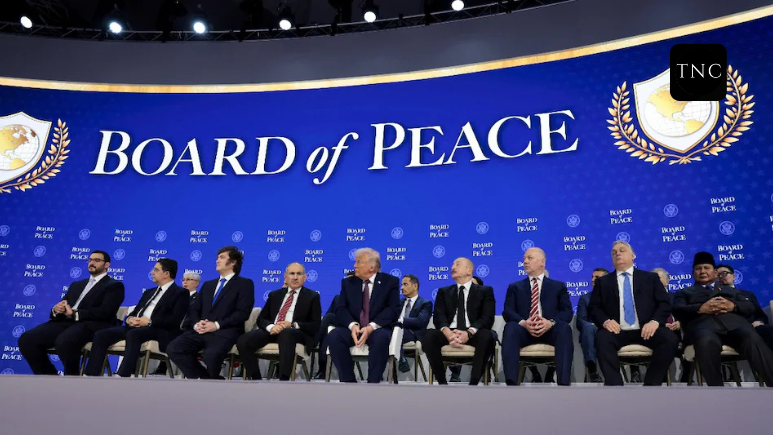
India sent senior diplomats to a peace summit convened by former US President Donald Trump in Washington on Tuesday, attending as observers rather than full participants. The move reflects New Delhi’s longstanding approach of engaging in international discussions while maintaining flexibility and avoiding formal commitments to external agendas.
The meeting, referred to by Trump as the ‘Board of Peace,’ brought together representatives from multiple countries, international organizations, and civil society groups to discuss conflict resolution, the prevention of future wars, and enhanced cooperation on global security challenges.
India hedges its bets
Senior Indian diplomats attended discussions on shared security concerns, responses to humanitarian crises, and multilateral approaches to peace building. However, India did not participate as a primary signatory to any outcomes. Officials described the country’s role as reaffirming support for international diplomatic engagement and constructive dialogue. According to Foreign Ministry sources, India’s decision to attend as an observer was intentional, allowing participation in discussions without formal alignment to any specific agenda. This approach is consistent with India’s longstanding policy of independent foreign policy and multilateral engagement.
Trump plays host
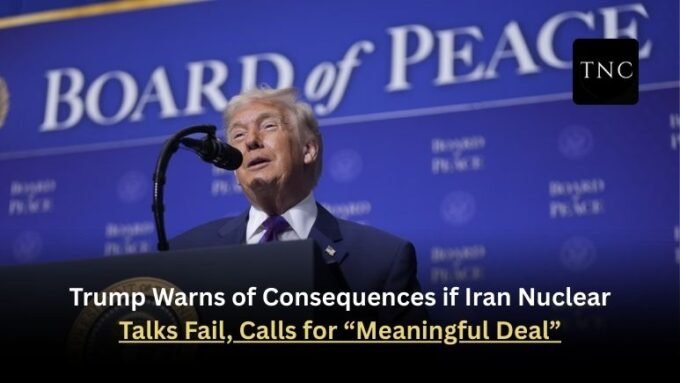
Trump, who organized the meeting as part of a series of diplomatic events in Washington, used the platform to promote consensus-based solutions to international conflicts. According to Business Standard, at the summit, Trump highlighted contributions from nine countries that together pledged $7 billion for Gaza relief efforts, focusing on cooperation among participating nations and inviting them to share their perspectives on achieving lasting peace. According to AP News, while countries at the summit stressed the importance of addressing the root sociology-economic causes of conflict instead of only managing the aftermath, discussions also highlighted that disarming Hamas continues to be a major unresolved issue, and the ceasefire remains fragile. Delegates, including representatives from Brazil and South Africa, highlighted a broader definition of security that incorporates development and national sovereignty, while others, such as European and African Union delegates, expressed reservations about focusing exclusively on ‘democratic cooperation’, instead urging for a greater focus on the role of regional organizations and local stakeholders in peace building. These divergent viewpoints underscored the differences in emphasis among participants and added nuance to the summit’s discussions.
Strategic autonomy in action
Analysts note that India’s decision to attend as an observer aligns with its broader foreign policy objectives. New Delhi seeks to promote stability and dialogue internationally while maintaining strategic autonomy. In recent years, India has taken part in a range of diplomatic forums to address issues such as counter-terrorism, maritime security, and sustainable development, often highlighting its independent approach. (India–European Union relations, 2026) Recently, India and the European Union signed a Security and Defence Partnership to expand cooperation in areas such as maritime security and counter terrorism, according to information available on India–European Union relations. Organisers described the dialogue as constructive and stated that it laid the groundwork for continued discussions among participating states and institutions.
According to the Associated Press, India’s Ministry of External Affairs said it will review the outcomes of the summit and consider future opportunities for cooperation on peace initiatives that match its foreign policy principles. While countries continue to work to prevent conflicts and foster diplomatic partnerships, such disputes persist. India will likely continue to show up for many of them, always careful to participate just enough to stay relevant without getting locked into positions that limit its flexibility.
This approach reflects India’s longstanding commitment to non-alignment and strategic autonomy, a strategy that has allowed the country to engage internationally while retaining independence in its foreign policy decisions.
Also Read / ‘Off the Table’: Trump Revokes Canada’s ‘Board of Peace’ Invite After Davos Face-Off January 23, 2026








Leave a comment