

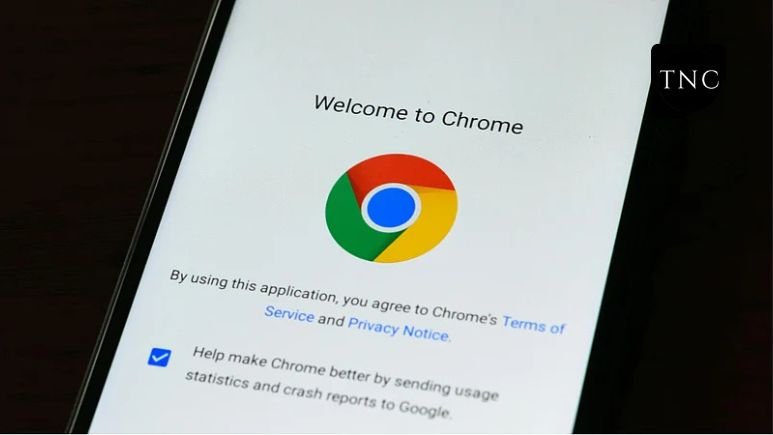

At 9:30 on a quiet Monday morning, Rohan Mehta opened his laptop in a Mumbai co-working space. Like millions of people starting their day, he launched Google Chrome, checked his email, and clicked a link shared in a team chat. The page loaded instantly. Nothing unusual.
But behind the scenes, cybersecurity experts say a single malicious web page could be enough to compromise an outdated browser.
Earlier that morning, India’s national cybersecurity agency had quietly issued a warning: certain versions of Google Chrome contained critical vulnerabilities that hackers could exploit. For users like Mehta who rely on the browser for work, banking, and communication the threat was invisible but real.
India’s cybersecurity watchdog, the Indian Computer Emergency Response Team (CERT-In), has issued a high-severity alert for Google Chrome users across Windows, macOS, and Linux devices. The agency warned that several vulnerabilities in older Chrome versions could allow attackers to execute malicious code, steal sensitive data, or take control of affected systems.
The advisory affects Chrome versions released before recent security updates. Users who have not updated their browsers are at risk, particularly if they visit malicious websites designed to exploit these flaws.
In a world where Chrome powers work, banking, and digital identity for billions of users, even a single browser flaw can become a gateway for cybercrime.
At the heart of the warning are software vulnerabilities buried inside Chrome’s complex codebase.
Security researchers discovered multiple technical issues, including memory-handling flaws and weaknesses in the browser’s JavaScript engine and media components. These bugs can allow hackers to manipulate memory or trigger unexpected behavior inside the browser.
One particularly concerning flaw is a “use-after-free” bug a programming error that allows a browser to keep using memory after it has already been cleared. Cyber attackers can exploit this mistake to run malicious code inside the system.
If successfully exploited, attackers could:
- Execute unauthorized code on the victim’s computer
- Steal personal or corporate data
- Install malware or spyware
- Crash the browser or disrupt system operations
In practical terms, the attack could be as simple as convincing someone to open a malicious link or webpage.
Because Chrome is the world’s most widely used browser, even a small vulnerability can quickly become a large-scale security risk. That’s why cybersecurity agencies classify such bugs as “high severity.”
How to Check If You’re Affected
According to the advisory, the vulnerabilities affect older versions of Google Chrome on Windows, macOS, and Linux. Users running outdated builds may be exposed to the risk until they install the latest security update.
How to Fix the Problem
Fortunately, the solution is simple and takes less than a minute:
- Open Google Chrome
- Click the three-dot menu in the top-right corner
- Go to Help → About Google Chrome
- Chrome will automatically check for updates
- Install the update and restart the browser
Cybersecurity experts also recommend avoiding suspicious links and keeping all software regularly updated to reduce exposure to emerging threats.
Browser security often works quietly in the background until a flaw turns everyday browsing into a potential entry point for hackers. The latest government alert is a reminder that the simplest cybersecurity habit is also the most effective: keep your software updated.
Because in the digital world, sometimes the difference between safe browsing and a compromised system is just one update away.
Also Read / No more ‘cringe’ IDs: Google finally lets users change Gmail addresses without data loss.













Leave a comment