

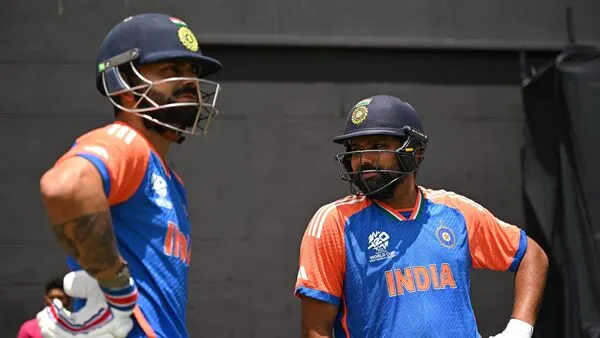

2025 has brought a paradigm shift in Indian cricket administration as the Board of Control for Cricket in India (BCCI) rolled out sweeping new player guidelines: marquee stars, including Rohit Sharma and Virat Kohli, must participate in domestic One-Day tournaments to remain eligible for national selection. As the countdown to the ICC Cricket World Cup 2027 begins, the bold new BCCI domestic ODI rule 2025 may herald a culture of discipline, grassroots revival, and merit-based selection while also posing new challenges for India’s top players.
This blog unpacks why BCCI’s mandate matters, the context behind the move, fan and player reactions, and the potential impact on India’s cricketing future.
The New Rule: Domestic First, International Later
At the heart of the new guidelines is a clear expectation: participation in domestic fixtures is now mandatory for all contracted Indian cricketers. Failure to comply can mean suspension from BCCI tournaments, deduction of salary, or even removal from the central contract regardless of talent or seniority.
Domestic ODIs largely the Vijay Hazare Trophy now determine national eligibility. The BCCI’s message is simple: stay connected with Indian cricket’s foundations, compete alongside emerging talent, and maintain match fitness or risk missing out.
Why Did BCCI Make Domestic ODIs Mandatory?
1. Talent Development and Pipeline Strengthening
With more stars skipping domestic competitions in favor of rest or endorsements, emerging cricketers lost valuable opportunities for exposure and mentorship. BCCI’s mandate aims to reverse this trend, ensuring grassroots players compete with and learn from the best, making India’s pipeline richer and more robust.
2. Match Fitness and Form
Domestic ODIs provide vital minutes in the middle for seasoned internationals. Facing rising bowlers on unpredictable pitches tests adaptability and keeps performance consistent. BCCI’s move signals that match fitness not just star value is critical for selection.
3. Domestic Cricket’s Prestige
The rule uplifts the stature and commercial value of tournaments like the Vijay Hazare Trophy. When fans see Rohit Sharma, Virat Kohli, or Jasprit Bumrah fighting it out against local teams, crowd interest and sponsorship dollars return.
4. Team Cohesion and Discipline
Mandatory participation emphasizes discipline and accountability. By ending special privileges and “selective” appearances, BCCI hopes to foster a unified team culture on and off the field.
What Happened? Tracing the Build-Up
The mandate follows years of debate; India’s top players sometimes prioritized IPL, rest periods, or overseas tours over domestic competitions. In 2023-24, multiple senior stars were absent from key Ranji and Vijay Hazare fixtures. The move came after other boards (Australia, England) began demanding domestic appearances from contracted players.
In November 2025, BCCI released a 10-point guideline document, after a Sydney tour controversy involving non-team travel and early departures by big names. The new policy was circulated widely, emphasizing domestic ODI participation for central contract retention and World Cup 2027 selection.
Fan and Expert Reactions: Applause and Debate
Cricket pundits largely praised the move as “long overdue” and vital for India’s World Cup ambitions. Social media buzzed with theories on how increased competition would keep seniors hungry and youngsters inspired.
However, concerns surfaced about player burnout, logistical challenges, and fixture congestion. Critics argued that balancing IPL, international tours, and mandatory domestic ODIs could strain veterans and dilute performance. Some fans worried their icons might retire earlier to avoid rigorous scheduling.
What Does It Mean for Rohit Sharma and Virat Kohli?
1. No Free Passes
Two of India’s biggest icons now have to play domestic ODIs no matter their legacy or prior commitments. Their form and fitness will be scrutinized against local talent. Skipping key games could mean missing out on national call-ups or contract renewals.
2. Mentorship and Legacy
Their presence in domestic matches is expected to inspire and uplift young cricketers. Batting alongside a Rohit Sharma or bowling to a Virat Kohli in the Vijay Hazare Trophy is now a rite of passage for the next generation.
3. Potential Scheduling Challenges
Negotiating rest, family time, and peak performance will require new balance. The BCCI promises some exceptions for injury or extraordinary circumstances, but transparency and fair play will be crucial.
Wider Implications for Indian Cricket
1. Revived Domestic Ecosystem
Local games gain prestige. Sponsors return, and crowds grow. Quality of cricket rises, new heroes emerge, and selectors spot talent under real pressure.
2. Selection Meritocracy
Selection becomes more objective; current domestic performances count as much as international stardom. Youngsters have real opportunities to challenge established names.
3. Reduced Player Privileges
No player even icons can take their place for granted. Unity and accountability become central to dressing room culture.
4. Improved Preparation for World Events
Greater domestic competition means Indian teams enter major ICC tournaments sharper and better prepared for tough, unpredictable conditions.
Challenges and Cautions
- Over-Burdening Star Players: Balancing domestic, IPL, and international schedules risks injuries and fatigue.
- Commercial Tensions: Sponsors may lobby for more flexible policies to protect top-billed stars.
- Implementation: Consistent enforcement, regardless of player stature, will determine success.
Conclusion: India’s “Domestic Test” for Excellence
The BCCI domestic ODI rule 2025 is a critical inflection point in Indian cricket. By mandating domestic participation, the BCCI seeks to fortify its player pipeline, refresh domestic tournaments, and drive team unity ahead of the 2027 World Cup. For icons like Rohit Sharma and Virat Kohli, it marks a new era where legacy is built not just on international triumphs, but on nurturing the next generation at cricket’s grassroots.
If enforced fairly, the move promises a healthier, more competitive cricketing future for India a blueprint that other cricket nations may soon follow.











Leave a comment