


The desert was already heating when the radio went silent.
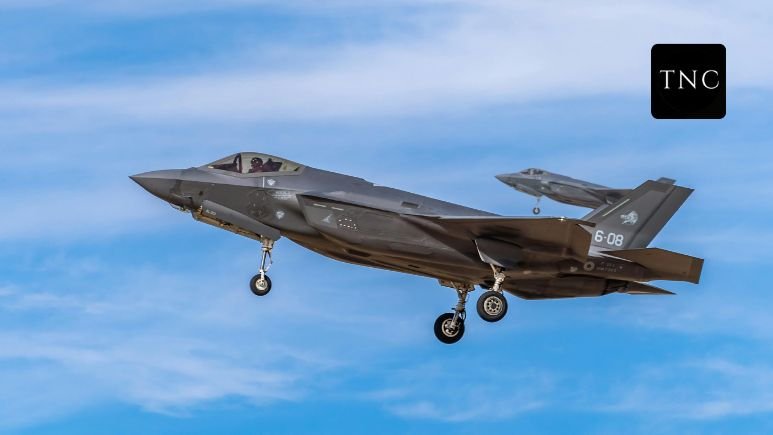
Somewhere over southwestern Iran, a U.S. F-15E fighter jet broke apart midair, its tail spinning into a haze of dust and fire. Two parachutes bloomed against the pale sky, brief, fragile signals of survival. One of them would soon vanish into terrain controlled by a country now hunting him.
Hours later, American helicopters cut low across the landscape, racing against time. One crew member was pulled out alive. The other? Still missing. And not alone. Iranian forces and even civilians were being urged to find him first.
This is not just another battlefield incident. The downing of a U.S. fighter jet inside Iranian airspace marks a dangerous turning point in an already volatile conflict. It is the first confirmed instance in this war of an American aircraft being shot down by Iranian defenses, triggering a high-stakes race: not just to rescue a pilot, but to control the narrative, the intelligence, and the next phase of escalation.
What happens to that missing pilot could shape diplomacy, military strategy and the risk of a much wider war.
The facts are stark. An American F-15E Strike Eagle, carrying two crew members, was hit by Iranian fire. Both ejected. One was rescued in a risky operation involving special forces and helicopters. The second remains unaccounted for.
But beneath those facts lies a deeper shift.
First, air superiority is no longer guaranteed. For weeks, U.S. officials projected dominance over Iranian skies. This incident punctures that assumption. Iran’s air defenses whether upgraded systems or tactical positioning have proven capable of striking one of America’s most advanced strike aircraft.
Second, the battlefield has expanded beyond missiles and drones into human leverage. Iran reportedly called on civilians to help locate the missing pilot, even offering rewards. That transforms the search into something more dangerous: a race not just between militaries, but between narratives. A captured pilot becomes propaganda, bargaining chip, and psychological weapon all at once.
Third, rescue itself is now a combat mission. Additional aircraft and helicopters sent to retrieve the crew have reportedly come under fire or been damaged. Each attempt to save one life risks escalating the conflict further, pulling more assets and more personnel into harm’s way.
Finally, this moment reveals the fragility of modern warfare assumptions. Precision strikes, drone dominance, and technological superiority were supposed to limit risk. Instead, the war is reverting to something more primal: survival on the ground, territory control, and the fate of individuals caught behind enemy lines.
In modern war, it’s easy to focus on machines, jets, missiles, and defense systems. But this story turns on a single human outcome: whether one missing pilot is found by his country or by its enemy.
Because sometimes, the balance of power doesn’t hinge on strategy or firepower.
It hinges on who gets there first.











Leave a comment