

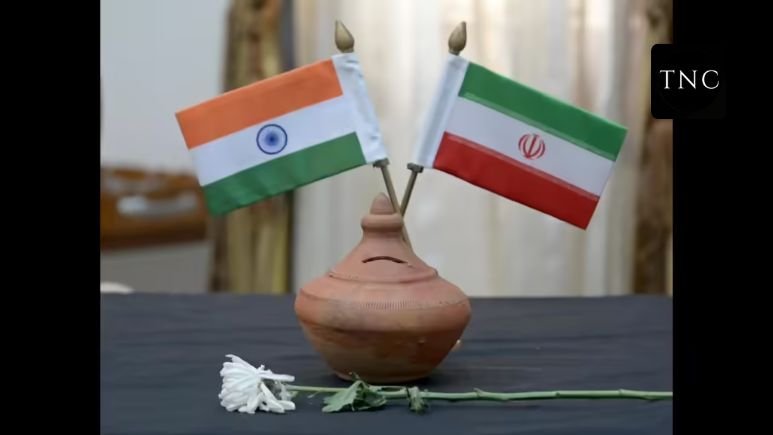

The boy clutched a small, dented piggy bank as he stepped through the iron gates of the Iranian Embassy in New Delhi. His father nudged him forward. Inside, the room smelled faintly of antiseptic and paper boxes of medicines stacked against the walls, handwritten notes pinned beside them.
He hesitated, then placed the piggy bank on a wooden table already crowded with envelopes, gold trinkets, and folded rupee notes. No cameras. No speeches. Just a quiet transaction of grief and solidarity.
Around him, others waited their turn, some from Kashmir, others from Kerala, a few who had traveled overnight. A clerk carefully logged each donation, line by line, as if recording something larger than money.
This scene, repeated across India in recent weeks, reveals more than humanitarian goodwill. It exposes the complex and often misunderstood mechanics of international aid when geopolitics, banking restrictions, and diplomatic protocols collide.
As scrutiny intensifies over Iran’s fundraising drive in India, a critical reality has emerged: much of the money collected cannot legally or practically leave the country. Instead, it is being redirected into local purchases primarily medicines transforming India from a donor base into a logistical hub for relief.
At first glance, the surge in donations looks like a straightforward humanitarian response. The ongoing conflict in West Asia has triggered emotional appeals, and Indians have responded sometimes with cash, sometimes with gold, sometimes with symbolic gestures from children.
But beneath that generosity lies a tangle of rules.
Diplomatic missions operate under strict financial boundaries. While embassies can maintain bank accounts, those accounts are intended for official functions not public fundraising. Any deviation requires separate approvals and dedicated accounts.
Even then, moving money across borders is not simple. Transfers face regulatory scrutiny from institutions like the Reserve Bank of India, and certain assets like gold or jewelry cannot be shipped through diplomatic channels at all.
The result is a workaround that reshapes the purpose of the funds.
Instead of sending money to Tehran, the Iranian mission has begun using donations within India—purchasing medicines and assembling relief consignments locally. These supplies are then shipped out, bypassing financial transfer bottlenecks altogether.
This shift is not just logistical; it’s strategic.
It reduces regulatory friction, speeds up aid delivery, and avoids the reputational risks tied to cross-border fund transfers especially at a time when the fundraising campaign itself has drawn political and social scrutiny. Social media posts, including those referencing sensitive regional issues like Kashmir, have already sparked backlash and forced deletions.
Meanwhile, even the method of donation has exposed cracks in the system. Technical issues with digital payments led the embassy to temporarily encourage cash contributions, an unusual move in an increasingly cashless economy.
All of this underscores a broader truth: in modern conflict zones, humanitarian aid is no longer just about generosity. It is shaped and sometimes constrained by financial systems, diplomatic law, and political optics.
The story of Iran’s fundraising in India isn’t just about donations, it’s about where compassion meets bureaucracy.
Money may not cross borders easily, but intent does. And in this case, that intent is being repackaged literally into boxes of medicine, shipped from one nation’s goodwill to another’s crisis.
In the end, the piggy bank on that embassy table doesn’t just hold coins. It holds a lesson: in a world of restrictions, help finds another route.
Also Read / INDIA RINGS IN NEW FINANCIAL YEAR WITH RECORD JET FUEL PRICES AND LPG HIKE AS WEST ASIA WAR BITES DEEPER.










Leave a comment