

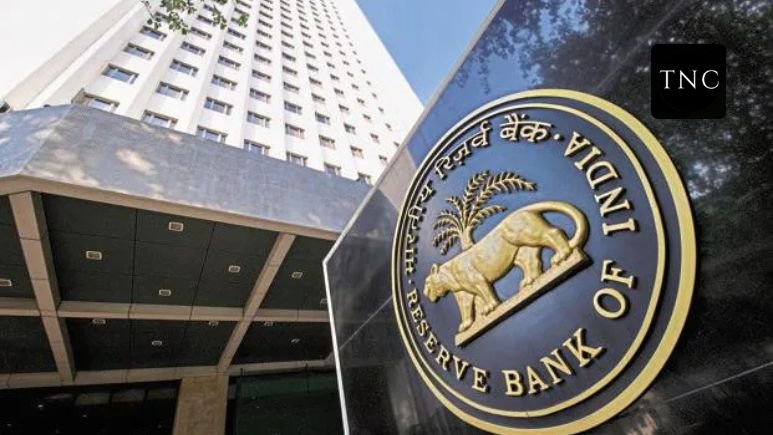

At a cramped forex desk in Mumbai’s Fort district, the screens flicker red and green in restless bursts. A trader leans forward, eyes fixed on the rupee-dollar ticker hovering near record lows just days ago. Phones buzz. Oil prices spike, then fall on whispers of a ceasefire.
“Rates should go up,” someone mutters across the room. “That’s what markets expect.”
But at 10:00 a.m., the announcement lands: no change. The Reserve Bank of India holds its ground. The room pauses not in relief, but in recalculation.
Why did the RBI choose to stand still when the rupee was under pressure and global uncertainty was rising? Because this wasn’t just a currency problem. It was a three-way balancing act of inflation, growth, and financial stability and moving interest rates too quickly could have broken more than it fixed.
The decision to maintain the repo rate at 5.25% reflects a deeper strategy: fight volatility with precision tools, not blunt force.
At first glance, the logic of raising rates seems straightforward. A weaker rupee typically calls for tighter monetary policy to attract foreign capital and stabilize the currency. But the RBI chose restraint and for good reason.
1. Inflation Isn’t Out of Control Yet
Despite global shocks, India’s inflation remains within a manageable band, projected around 4.6% for FY27.
Raising rates aggressively now could choke demand without significantly easing imported inflation driven by oil prices.
2. Growth Still Needs Protection
India is still one of the fastest-growing major economies, with projected growth near 6.9%.
A rate hike would increase borrowing costs, slowing housing, consumption, and investment at a fragile moment.
3. The Rupee Problem Is Global, Not Local
The currency’s weakness isn’t just about domestic policy. It’s tied to:
- Geopolitical tensions, especially in the Middle East
- Volatile crude oil prices
- Capital outflows from emerging markets
Raising rates in India wouldn’t fix these global forces; it might only offer temporary relief.
4. RBI Is Using Smarter Tools Instead
Rather than hiking rates, the central bank has turned to targeted interventions:
- Restricting speculative forex trades
- Managing liquidity to keep short-term rates aligned
- Direct intervention to smooth volatility
These measures attack the root cause of excess speculation without hurting the broader economy.
5. A “Wait and Watch” Strategy
The RBI has already cut rates significantly in the past cycle. Now it’s assessing the lag effect of those decisions. Acting too soon risks policy whiplash.
In short, the central bank is buying time waiting for clarity on oil prices, global conflicts, and inflation trends.
The RBI’s decision to hold rates isn’t hesitation, it’s discipline.
In a world driven by panic and reaction, the central bank chose patience over pressure. It’s betting that stability, not speed, will protect the economy.
And sometimes, the most powerful move in policymaking isn’t action.
It’s knowing when not to act.
Also Read / RBI slashes repo rate to 5.25% as inflation hits record low.













Leave a comment