

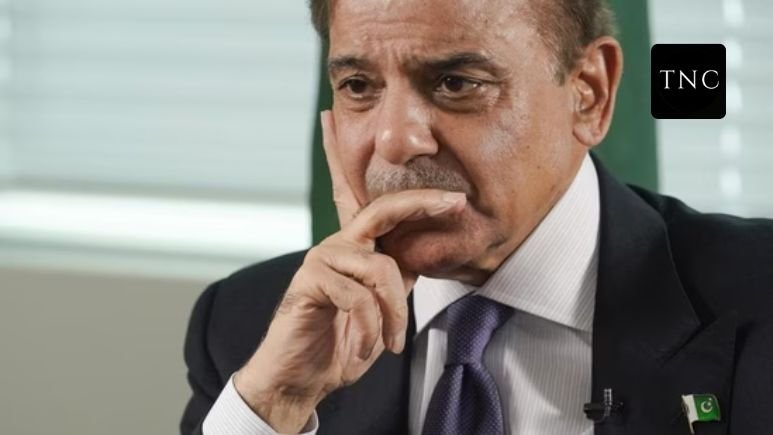

Armored vehicles idled outside government compounds. Soldiers stood shoulder to shoulder at checkpoints, checking credentials under the glare of floodlights. Inside the sealed “Red Zone,” diplomats moved behind tinted glass, escorted by security convoys. Somewhere in the city, a hotel ballroom had been transformed into a negotiation chamber, one that might decide whether a war pauses or reignites.
Yet even before the first handshake, the deal was already fraying.
Reports from Tehran suggested their delegation might not even show up. “As long as…commitments are not fulfilled,” one source warned, the talks could stall entirely.
Outside, the guns had not fallen silent.
The planned U.S.–Iran talks in Islamabad were supposed to mark a turning point: the first serious diplomatic effort after weeks of war, missile strikes, and a fragile ceasefire brokered under intense pressure. But the negotiations are in trouble before they begin undermined by mistrust, conflicting demands, and ongoing violence across the Middle East.
At stake is more than a bilateral agreement. The outcome could reshape regional alliances, global oil markets, and the credibility of diplomacy itself in a conflict where each side believes it has already won.
Start with the ceasefire, the foundation of any negotiation. It exists, but barely.
The United States and Iran agreed to a short, two-week pause after weeks of escalation, largely due to Pakistan’s last-minute mediation. But both sides interpret that ceasefire differently. Iran insists it must extend to conflicts involving its allies, especially in Lebanon. The U.S. and Israel disagree, continuing military operations that Tehran sees as violations.
That disagreement alone is enough to derail talks. Negotiations require a shared reality. Here, there isn’t one.
Then there is the problem of leverage.
Iran enters the talks projecting resilience. Despite sustained attacks, its regime remains intact, its military functional, and its control over strategic chokepoints like the Strait of Hormuz intact. That gives Tehran bargaining power. It can afford to delay, demand concessions, or walk away.
The U.S., meanwhile, faces a different pressure: credibility. After launching an aggressive campaign with ambitious goals regime change, dismantling nuclear capabilities it now sits at the table without having achieved them. Negotiating under those conditions risks looking like retreat.
And then there is Pakistan the host, the mediator, the outsider trying to act like a power broker.
Islamabad has pulled off something remarkable: bringing both sides to the same table. But it lacks the hard leverage to enforce outcomes. It cannot compel Iran to compromise or the U.S. to concede. Its role is facilitative, not decisive and that limits how far talks can go.
Finally, the biggest spoiler: events on the ground.
Israeli airstrikes in Lebanon, Iranian threats of retaliation, and unresolved regional conflicts continue to reshape the battlefield daily. Diplomacy is trying to catch up with a war that refuses to pause.
In that environment, negotiations are not just fragile, they are almost theoretical.
Peace talks don’t fail only at the table. Sometimes, they collapse before the chairs are even filled.
In Islamabad, the problem isn’t logistics or security, it’s reality. Too many wars, too many agendas, and too little trust. Until those align, diplomacy will remain what it is now: a high-stakes performance unfolding in a city under lockdown, with no guarantee anyone will stay long enough to finish the conversation.
Also Read / The Draft That Went Live: How a 2 a.m. Tweet Exposed Pakistan’s Secret Peace Gamble









Leave a comment