


At a refinery control room on India’s west coast, a trader stared at the crude oil price ticker flashing across his screen. Brent had jumped again another spike after reports of attacks near the Strait of Hormuz. Tankers were stuck. Insurance premiums were soaring.
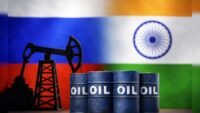
Then came the call from a supplier: Russian crude was available.
Within days, shipments began moving again. Indian refiners scrambled to secure millions of barrels as Middle Eastern supplies faltered. For buyers anxious about shortages, the calculation was simple: Russian oil was flowing when much of the world wasn’t.
Thousands of miles away in Moscow, the surge in demand was exactly the kind of geopolitical twist the Kremlin had been waiting for.
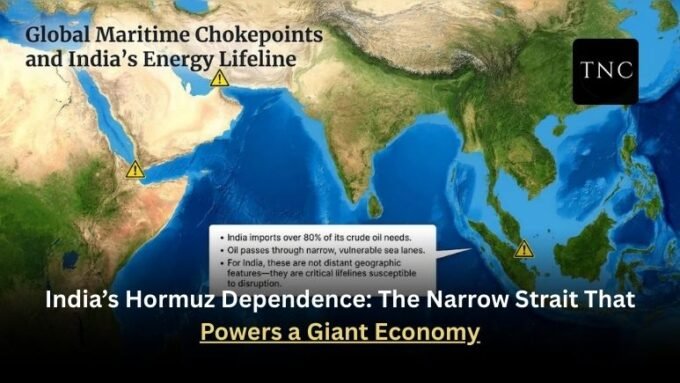
The war involving Iran has shaken the global energy system, pushing oil prices above $100 a barrel and disrupting critical supply routes through the Strait of Hormuz one of the world’s most important oil corridors.
For most economies, that spike spells trouble: higher fuel costs, rising inflation, and the specter of recession. But for Russia one of the world’s largest oil exporters the same crisis could provide an unexpected economic and geopolitical lifeline.
The question isn’t just about energy markets. It’s about power. As the conflict squeezes global supply and shifts political attention away from Ukraine, Russia finds itself in a rare position: benefiting from chaos without firing a single shot.
1. Higher oil prices refill Russia’s war chest
Russia’s economy runs on energy. Oil and gas revenues fund a significant portion of the government budget and the war effort in Ukraine.
When conflict threatens oil infrastructure or shipping routes, prices surge. The Iran war has done exactly that. Brent crude has climbed sharply amid fears that supply disruptions could remove millions of barrels from global markets.
For Moscow, every dollar increase matters. Analysts note that the crisis has already boosted demand for Russian crude, helping Moscow sell oil at stronger prices despite Western sanctions.
In simple terms: when Middle Eastern oil becomes uncertain, Russian oil becomes essential.
2. Sanctions pressure begins to loosen
Western governments have spent years trying to squeeze Russia’s energy revenues through price caps and sanctions aimed at weakening its ability to finance the war in Ukraine.
But crises force compromises.
With global energy markets tightening, some countries have quietly increased purchases of Russian crude to stabilize supply. Even temporary policy waivers have allowed certain shipments to move, illustrating how energy security can outweigh geopolitical pressure in times of crisis.
Sanctions don’t disappear but they lose bite when the world needs the oil.
3. Strategic distraction works in Moscow’s favor
Wars reshape attention.
As the Iran conflict expands, military and diplomatic resources shift toward the Middle East. Analysts say the shift could indirectly ease pressure on Russia in its war with Ukraine, while simultaneously boosting energy revenues.
For the Kremlin, the benefits compound:
- Higher oil prices
- Renewed demand for Russian energy
- Reduced international focus on Ukraine
It’s a geopolitical trifecta achieved without direct involvement in the conflict.
4. But the windfall may have limits
The benefits are real, but they may not last forever.
Sanctions still force Russia to sell oil at discounts and complicate shipping logistics. Some analysts argue that unless oil prices remain elevated for a sustained period, the current spike may not fully repair Russia’s strained finances.
In other words, the Iran war gives Russia breathing room but not a permanent solution.
Energy markets rarely reward stability. They reward scarcity.
The Iran war has jolted the global oil system, pushing prices higher and rattling supply chains. For much of the world, that means economic anxiety. For Russia, it means opportunity.
The irony is stark: a conflict meant to destabilize one region may end up strengthening a rival power thousands of miles away.
In geopolitics, sometimes the biggest winners are the ones who never entered the fight.
Also Read / ‘Grave Moment’: UN Chief Warns of Global Arms Race as Final U.S.-Russia Nuclear Pact Expires.






Leave a comment