

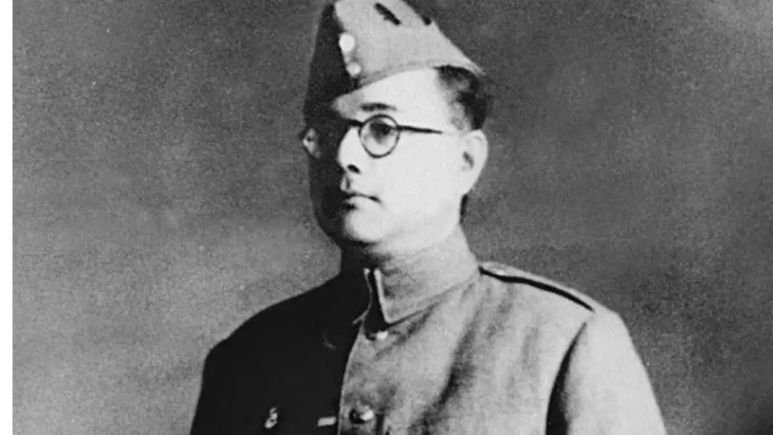

As India celebrates Parakram Diwas 2026, a lesser-known quote from Subhas Chandra Bose’s autobiography has gone viral, offering a striking counter-narrative to today’s “hustle culture” and resonating powerfully with a generation facing unprecedented burnout. India is observing the 129th birth anniversary of Netaji Subhas Chandra Bose today, Friday, January 23, 2026, with high-profile events across the country, though the focus of this year’s social media discourse has shifted toward Netaji’s philosophical insights on human development, specifically his warning against rushing toward success.
At the heart of today’s cultural conversation is a poignant quote from Netaji’s unfinished autobiography, An Indian Pilgrim (1937), which has struck a chord with Gen Z and millennials grappling with achievement pressure.
“To ripen too early is not good, either for a tree or for a human being and one has to pay for it in the long run. There is nothing to beat nature’s law of gradual development…” Subhas Chandra Bose
Why it matters in 2026:
- Steady Foundations: Netaji’s metaphor suggests that “prodigies” who rush their growth often fail to fulfill their promise because they lack deep roots, a message resonating in an era of child influencers and teenage entrepreneurs.
- Burnout Prevention: In an achievement-driven world dominated by LinkedIn hustle culture and startup worship, his words serve as a reminder that sustainable leadership requires patience and discipline rather than instant gratification.
- National Identity Context: The quote originally referred to education, where Netaji argued that students must be rooted in their own culture before seeking “international” heights particularly relevant as India balances globalization with cultural preservation.
- Social Media Virality: The quote has been shared millions of times across platforms, with young Indians using it to push back against parental pressure, toxic productivity culture, and the expectation of early career success.
The Official Celebrations: A Three-Day Gala
The Ministry of Culture has organized a three-day gala, “Parakram Diwas 2026,” centered in the Andaman and Nicobar Islands, where Netaji first hoisted the tricolor on liberated Indian soil during World War II.
| Location | Event Highlights |
| Sri Vijaya Puram (Port Blair) | Grand Drone Show at Netaji Stadium; theatrical performance by National School of Drama (NSD) |
| Kolkata | Massive rallies from Netaji Bhavan; CM Mamata Banerjee’s call for declassification of historical files |
| Cuttack | Flag hoisting at Netaji Birthplace Museum; traditional Odissi dance performances |
| New Delhi | Floral tributes at the Netaji statue at Kartavya Path by senior leaders |
| Mumbai | Student essay competitions on Netaji’s vision for modern India |
| Chennai | INA veterans’ meet and recognition ceremony |
President Droupadi Murmu and Prime Minister Narendra Modi led the nation in paying homage, highlighting that Netaji’s ideals are “timeless” and continue guiding contemporary India.
- PM Modi’s Message: “On Parakram Diwas, we recall his indomitable courage and unparalleled contribution. He epitomised fearless leadership,” the PM shared on X (formerly Twitter), emphasizing the vision of a Viksit Bharat (Developed India) that Netaji would have championed.
- President’s Reflection: President Murmu noted that Netaji’s call for independence awakened a spirit of “self-confidence and nationalism” that still guides the Indian Army today, particularly relevant given current geopolitical tensions.
- Defense Connections: The President, as Supreme Commander of the Armed Forces, emphasized Netaji’s military legacy through the Indian National Army, which pioneered tactics and organizational structures later adopted by independent India’s military.
- Digital Outreach: Both leaders’ social media posts received millions of engagements, demonstrating Netaji’s continued relevance across generations and political divides.
The celebrations extended beyond official ceremonies to educational and cultural events designed to connect younger generations with Netaji’s legacy.
- INA Legacy Programs: Schools across India held special assemblies, where students performed plays about the Rani of Jhansi Regiment the first women’s infantry regiment in Asia and the Azad Hind Fauj’s historic march toward Delhi.
- Theatrical Performances: The National School of Drama’s production in Sri Vijaya Puram dramatizes Netaji’s time in the Andaman Islands, where he established the first independent Indian government on liberated territory.
- Drone Show Spectacle: The grand drone show at Netaji Stadium in Sri Vijaya Puram used hundreds of synchronized drones to recreate moments from Netaji’s life, making history accessible through modern technology.
- Traditional Arts: Odissi dance performances in Cuttack, Netaji’s birthplace, connected his revolutionary legacy with Odisha’s classical cultural traditions.
West Bengal Chief Minister Mamata Banerjee used the occasion to renew calls for declassifying historical files related to Netaji’s mysterious disappearance.
- Transparency Demands: Banerjee’s rally from Netaji Bhavan in Kolkata included demands that the central government release all classified files related to Netaji’s death in the alleged 1945 plane crash in Taiwan.
- Historical Mystery: Debate continues about whether Netaji actually died in 1945 or lived for years afterward, with various conspiracy theories and claimed sightings fueling ongoing controversy.
- Political Football: The declassification issue has become a political dispute, with Bengal’s state government and the central government trading accusations about who is blocking transparency.
- Family Involvement: Netaji’s relatives have joined calls for full disclosure, arguing that the nation deserves to know the complete truth about the freedom fighter’s fate.
The viral spread of Netaji’s “gradual development” quote demonstrates how historical figures are being reinterpreted through contemporary lenses and social media dynamics.
- Mental Health Framing: Young Indians are using the quote in discussions about mental health, work-life balance, and the pressure to achieve early success in competitive fields.
- Startup Culture Critique: The quote appears in critiques of toxic startup culture that glorifies overwork and celebrates “founders” who sacrifice health and relationships for business growth.
- Education System Pushback: Students and educators cite Netaji’s words when arguing against the pressure-cooker environment of competitive exams and early specialization in Indian education.
- Authentic Leadership: The quote is invoked in discussions about leadership development, arguing that sustainable leaders need time to develop wisdom and character, not just skills and credentials.
Netaji’s tree metaphor offers a comprehensive philosophy of development that extends beyond individual achievement to national growth.
- Cultural Rootedness: Before seeking international recognition or Western validation, individuals and nations must be firmly grounded in their own cultural traditions and values.
- Sustainable Growth: Rapid advancement without solid foundations leads to collapse under pressure, whether for individuals, institutions, or nations.
- Natural Rhythms: Development should follow natural patterns rather than artificial timelines imposed by social pressure or competitive anxiety.
- Long-term Thinking: The focus should be on building capacity and character for sustained contribution rather than early achievements that burn out quickly.
This year’s commemorations emphasize Netaji’s intellectual and philosophical contributions alongside his military and political achievements.
- Scholar-Revolutionary: Netaji’s Cambridge education, civil service examination success, and wide reading in philosophy, economics, and military strategy are being highlighted.
- Holistic Development: His emphasis on physical fitness, cultural education, and spiritual development alongside intellectual training offers a model for contemporary education reform.
- Critical Thinking: Netaji’s ability to synthesize Indian traditions with modern organizational methods provides a template for navigating globalization without losing cultural identity.
- Leadership Pipeline: The INA’s training methods and organizational structure are being studied for insights into developing leadership at scale.
Political leaders are connecting Netaji’s vision with contemporary development goals, particularly the “Viksit Bharat” (Developed India) aspiration for 2047.
- Economic Independence: Netaji’s emphasis on economic self-sufficiency resonates with current policies promoting manufacturing, reducing import dependence, and building indigenous capabilities.
- Strategic Autonomy: His non-aligned approach and ability to work with various international partners while maintaining independence guides contemporary foreign policy.
- National Unity: The INA’s successful integration of soldiers from diverse religions, languages, and regions offers lessons for maintaining unity in diversity.
- Youth Empowerment: Netaji’s trust in young people to lead revolutionary change aligns with policies targeting youth employment, entrepreneurship, and leadership development.
As India navigates its role on the global stage in 2026, Netaji’s legacy has evolved from sword-wielding revolutionary to philosopher of patience and sustainable growth his viral “gradual development” wisdom offers Gen Z a historical anchor for resisting hustle culture while his vision of culturally-rooted internationalism provides a framework for India’s rise as a global power that doesn’t sacrifice identity for advancement.
Also Read / Operation Trashi-I: 8 Soldiers Injured in Fierce Kishtwar Gunbattle; Massive Hunt On for JEM Terrorists.














Leave a comment