

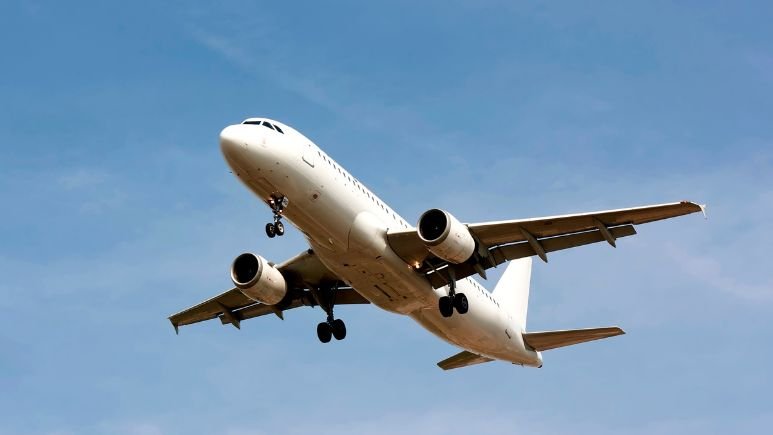

Airbus issued an emergency recall Friday affecting 6,000 of its A320 family aircraft worldwide, one of the largest groundings in the manufacturer’s 55-year history, after discovering that intense solar radiation can corrupt flight control data.
The directive requires airlines to immediately revert to previous software versions or install hardware fixes before aircraft can fly again, threatening massive disruption during the Thanksgiving weekend travel rush in the United States and impacting operations globally.
The European Union Aviation Safety Agency issued an emergency airworthiness directive late Friday making the fixes mandatory. Airlines have been told they must complete repairs before next departure of affected aircraft.
“Airbus acknowledges these recommendations will lead to operational disruptions to passengers and customers,” the company said, apologizing “for the inconvenience caused.”
The October 30 incident
The recall stems from a terrifying mid-flight event aboard a JetBlue A320 traveling from Cancun to Newark on October 30.
The aircraft suddenly pitched downward without any pilot input, forcing an emergency diversion to Tampa, Florida. Several passengers required hospitalization after landing.
The US National Transportation Safety Board said the uncommanded descent “likely occurred during an ELAC (flight control computer) switch change.” ELAC stands for Elevator and Aileron Computer, which sends commands from the pilot’s controls to the aircraft’s tail surfaces that control pitch.
Airbus’s preliminary analysis of the incident revealed a shocking vulnerability: intense solar and cosmic radiation at high altitudes can corrupt data feeding the A320’s flight control system.
“Our analysis revealed that intense solar radiation could corrupt data used by the flight control system,” Airbus said in its bulletin to airlines.
The malfunction can lead to sudden and unintended altitude changes that could exceed the aircraft’s structural limits.
Half the global fleet affected
There are currently 11,300 A320-family aircraft in active service worldwide, making it the most popular commercial jet after recently surpassing the Boeing 737 in total deliveries.
The recall affects approximately 6,000 of these jets, more than half the global fleet. At the time Airbus issued its bulletin, some 3,000 A320-family jets were in the air.
For about two-thirds of the affected aircraft, the fix involves reverting to previous software versions, a process taking roughly two to three hours per plane.
However, more than 1,000 aircraft may also require hardware changes to the ELAC units, which could keep them grounded significantly longer.
The timing couldn’t be worse. Thanksgiving weekend represents the busiest travel period of the year in the United States, with millions planning to fly.
“The timing is definitely not ideal for an issue like this to arise on one of the most ubiquitous aircraft around the U.S. holidays,” said Mike Stengel of AeroDynamic Advisory.
India faces massive disruption
India is among the hardest-hit markets. More than 350 A320-family aircraft operated by IndiGo and the Air India Group must be grounded for the mandatory upgrades.
IndiGo operates over 350 A320 variants, with sources saying approximately 250 require the software fix. The airline expects the work to be completed by Monday or Tuesday.
Air India operates around 120-125 A320-family jets, with more than 100 requiring intervention.
“We are aware of a directive from Airbus related to its A320 family aircraft currently in-service across airline operators,” Air India said in a post on X. “This will result in a software/hardware realignment on a part of our fleet, leading to longer turnaround time and delays to our scheduled operations.”
IndiGo said it’s “working closely with Airbus to implement the required steps” while making “every effort to minimise disruptions.”
Both airlines warned passengers to expect widespread delays, last-minute cancellations, and longer turnaround times at major hubs including Delhi, Mumbai, Bengaluru, and Hyderabad.
India operates around 560 A320-family aircraft total. Roughly half will need some form of intervention, either through software fixes or hardware realignment.
Global airline chaos
The recall sent ripples worldwide as airlines scrambled to understand which aircraft in their fleets require fixes.
Air New Zealand and Jetstar grounded their A320neo fleets immediately after the Airbus alert.
“This will lead to disruption across a number of our A320neo flights today and we’re expecting a number of cancellations to services across that fleet,” Air New Zealand said. The airline has six of the aircraft in its fleet.
UK aviation regulator Civil Aviation Authority warned that passengers should “check with their airline whether their flights are affected.”
“Airlines have a duty of care to look after passengers when a flight is delayed,” said Giancarlo Buono, director of aviation safety at CAA.
Four of the world’s 10 biggest A320-family operators are major US airlines: American Airlines, Delta Air Lines, JetBlue, and United Airlines. Chinese, European, and Indian carriers are also among the jet’s biggest customers.
One Finnair flight was delayed almost an hour as pilots worked to establish which software version they had, a passenger reported.
Maintenance bottleneck concerns
The recall comes at a particularly difficult time for the aviation industry. Airline repair shops are already overwhelmed with maintenance work.
Hundreds of Airbus jets have been grounded due to long waiting times for separate engine repairs or inspections. The industry also faces widespread labor shortages.
The addition of 6,000 aircraft requiring urgent attention threatens to create massive bottlenecks at maintenance facilities worldwide.
Airlines operating all-A320 fleets, particularly low-cost carriers, face especially severe disruption. These airlines have no alternative aircraft types to maintain schedules.
Some carriers are already publishing revised weekend timetables and waiving change fees for affected travelers.
The software vulnerability explained
The A320 was the first mainstream jetliner to introduce “fly-by-wire” computer controls when it launched in 1984. Unlike older aircraft with direct mechanical links between cockpit controls and flight surfaces, the A320 uses computers to interpret pilot commands.
This architecture has proven extremely safe over decades of operation. But it also creates new vulnerabilities related to software and data integrity.
Solar and cosmic radiation constantly bombards aircraft at high altitudes. Normally, shielding and error-checking protocols protect avionics from corruption.
However, Airbus discovered that under certain conditions, particularly intense radiation can overwhelm these protections and corrupt ELAC data.
When corrupted data reaches the ELAC, it can issue commands the pilot never intended, potentially causing dangerous pitch changes without warning.
The issue mirrors but differs from the Boeing 737 Max crisis of 2018-2019, where poorly designed flight control software caused two fatal crashes and a lengthy worldwide grounding.
In this case, the underlying software design appears sound, but an environmental factor, solar radiation, creates unexpected vulnerability.
Airbus’s proactive response
Airbus framed the recall as “precautionary action” taken after identifying the risk rather than waiting for additional incidents.
“Airbus has worked proactively with the aviation authorities to request immediate precautionary action from operators via an alert operators transmission,” the company said.
The manufacturer stressed it will “work closely with operators, while keeping safety as our number one and overriding priority.”
Unlike the 737 Max groundings that followed fatal crashes, this action represents a proactive response to a serious but non-catastrophic event. The JetBlue flight landed safely and there were no deaths.
Aviation safety experts broadly support the decision despite the massive disruption it causes.
“Addressing a known vulnerability now, even at the cost of several days of disruption, is preferable to risking another in-flight upset that could endanger passengers,” one safety analyst said.
Passenger rights and compensation
Consumer groups are urging airlines to provide clear communication and flexible options for affected travelers.
The disruption stems from a manufacturer-driven directive rather than weather or airline operational issues. This may affect passenger compensation rights in different jurisdictions.
Some regulators have reminded carriers of their obligations regarding meals, accommodation, and alternative transport when delays extend into long waits or overnight stays.
Airlines have indicated they’ll prioritize international and metro-to-metro services while trimming frequencies on secondary domestic routes and consolidating lightly booked flights.
Travel agents expect a short-term spike in fares on unaffected routes as remaining capacity tightens.
The broader implications
The recall underscores both the benefits and risks of modern aviation’s reliance on complex software systems.
Fly-by-wire controls have dramatically improved aircraft performance, efficiency, and safety. But they also create new types of vulnerabilities that previous generations of aircraft didn’t face.
The fact that solar radiation, traditionally a concern primarily for satellites and space technology, can now affect commercial aircraft demonstrates how interconnected and software-dependent modern aviation has become.
“The incident underscores how modern airliners rely heavily on complex software systems,” one aviation analyst noted. “Even external environmental phenomena such as solar radiation can pose new risks for aircraft.”
For Airbus, the episode comes just weeks after the A320 overtook the Boeing 737 as the most-delivered model, a significant milestone in the decades-long competition between the two manufacturers.
The recall appears to be among the largest in Airbus’s 55-year history, though the company faced criticism in the past for other technical issues requiring fleet-wide fixes.
What comes next
Airlines must complete the fixes before affected aircraft can resume normal operations. For most jets, this means a two-to-three-hour software rollback.
For the roughly 1,000 aircraft requiring hardware changes, the grounding could last significantly longer.
Passengers planning to fly this weekend are advised to check flight status proactively, arrive early at airports, and maintain flexibility in travel plans.
Operations should largely normalize by early next week once the bulk of upgrades are completed, though maintenance backlogs may cause residual disruptions for days afterward.
The numbers
Aircraft affected globally: 6,000
Total A320 family fleet: 11,300
Percentage of fleet affected: More than 50%
Aircraft affected in India: 350+
IndiGo aircraft requiring fixes: ~250
Air India Group aircraft affected: 100+
Aircraft needing hardware changes: 1,000+
Time for software fix: 2-3 hours
Incident date: October 30, 2025
Recall announcement: November 28-29, 2025
Major US operators affected: American, Delta, JetBlue, United
Years A320 in service: 41 (since 1984)
The Airbus A320 solar radiation recall marks one of the largest and most sudden groundings in modern aviation history. While the proactive safety response has won praise, the timing and scale ensure significant disruption for airlines and millions of passengers worldwide through the crucial holiday travel period.
Also Read / Ethiopian volcano erupts for first time in 12,000 years, ash cloud reaches India.














Leave a comment