

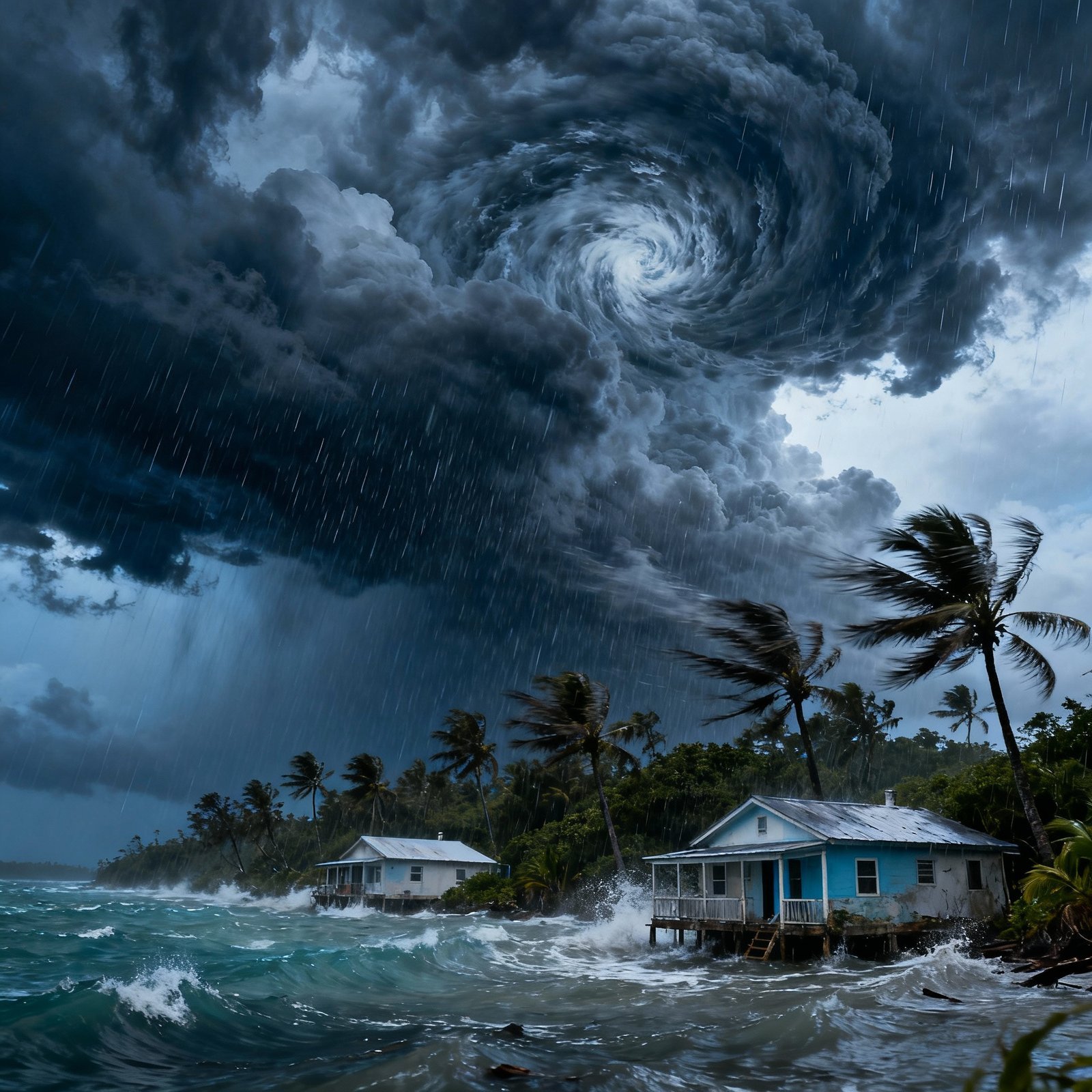

October 2025 will stand remembered in the Caribbean as the month Hurricane Melissa unleashed historic devastation. After violently striking Jamaica—with torrents of rain, catastrophic flooding, punishing winds, and widespread destruction—the world’s attention now turns to Cuba, as Melissa regains strength and barrels northward with renewed fury.
Jamaica: A Nation Reeling from Unprecedented Floods
In the hours after Hurricane Melissa’s eyewall passed over Jamaica, the island’s communities faced scenes of devastation unlike anything in recent memory. Meteorologists have called Melissa “the storm of the century” for Jamaica. The storm struck as a Category 5 hurricane, the most powerful recorded since Jamaica began keeping hurricane records 174 years ago.
Wind gusts reaching nearly 185 mph tore rooftops from homes and businesses, uprooted centuries-old trees, and fractured the island’s power grid, plunging vast areas of the country into blackout. But it was the unprecedented rainfall—over 30 inches in many parishes—that triggered the most acute disaster: flash floods and landslides. Jamaica’s government, bracing for the worst, activated emergency shelters nationwide and declared the country a disaster zone, enabling rapid resource deployment and coordinated response.
For Jamaica, October is historically the peak of its rainy season. The ground was already waterlogged when Melissa arrived, amplifying the deluge’s impact. Landslides swept away entire stretches of hillside, isolating communities and endangering critical access routes for relief efforts. Prime Minister Andrew Holness described the destruction as “significant,” noting serious damage to the agricultural heartland, vital infrastructure, homes, and even hospitals.
Human Stories Amid Crisis
Behind every statistic are the lived experiences of millions. Over 1.5 million Jamaicans have been affected, with tens of thousands displaced from their homes. In Montego Bay, tourists recalled how birthday celebrations turned into anxious lockdowns in hotel corridors, as local authorities ordered people to shelter in place while the storm roared outside. For many Jamaicans, the disaster conjured painful memories of Hurricane Gilbert in 1988; this time, however, the rainfall and wind speeds have been even more extreme.
Despite the devastation, early government action—mandatory evacuations, the activation of nearly 900 emergency shelters, constant updates via social media and radio—helped reduce loss of life. At last report, no confirmed deaths had been announced, but officials warn that the true human toll will become clearer as communications are restored and access to isolated regions improves.
Scientific Reasons for Melissa’s Fury
Why did Hurricane Melissa grow so intense? Experts point to exceptionally warm Caribbean waters in 2025, which fueled the rapid strengthening of the storm as it crawled through the region. This slow movement was a double-edged sword: while it gave residents time to prepare, it also meant a prolonged assault of wind, rain, and storm surge, compounding the flooding risk.
The World Meteorological Organization noted that Melissa dumped three times the monthly average of rain on Jamaica in just a few days. Storm surges as high as 12 feet battered Jamaica’s southern coast and threatened to inundate Cuba’s low-lying provinces next.
Cuba in the Crosshairs: Massive Evacuations Underway
As Hurricane Melissa moved away from Jamaica, it quickly regained strength over the warm Caribbean. By Tuesday night, its maximum sustained winds reached 130 mph as the eye was just 110 miles southwest of Guantánamo, Cuba. Authorities in Cuba scrambled to prepare: schools were closed, flights canceled, and in the most exposed eastern provinces, over 500,000 people evacuated to emergency shelters or safer inland locations.
Cuban President Miguel Díaz-Canel addressed the nation on television, stating, “We know there will be a lot of damage,” but promised all available resources would be used to protect citizens. The hurricane was expected to make landfall in eastern Cuba early Wednesday, threatening extensive power outages, flooding, landslides in mountainous terrain, and additional food and medical shortages amid Cuba’s ongoing economic challenges.
Climate Change and the New Normal
Meteorologists, climate scientists, and local leaders are unified in their message: hurricanes like Melissa are growing stronger, wetter, slower, and more destructive—largely due to global warming. Warmer ocean waters fuel cyclones; hotter air holds more moisture, worsening rain and flood risks. While climate attribution studies for specific storms like Melissa will take time, the intensification trend is unmistakable.The Caribbean nations—already battered by previous hurricanes—face rising debts and daunting recovery prospects, prompting leaders to call for more substantial international support and action on climate resilience.
Lessons for the Region and the World
The dual disasters of Melissa in Jamaica and Cuba highlight urgent lessons:
- Investments in early warning systems, robust infrastructure, climate-resilient crops, and effective evacuation planning are needed now more than ever.
- International aid must focus on both immediate relief and longer-term rebuilding, including the context of debt relief for hard-hit island nations.
- There is a growing call for global action on greenhouse gas emissions and investments in making vulnerable coastal communities safer.
Conclusion: Bracing for More in a Harder World
As Hurricane Melissa continues its relentless march—its impacts echoing from Jamaica’s flooded hills to Cuba’s anxious cities—the Caribbean faces not only the challenge of rebuilding but also the task of preparing for even more unpredictable hurricanes in the future. For now, the region watches and prays as another chapter in its hurricane history unfolds, never losing sight of the courage and resilience that defines its people.














Leave a comment