

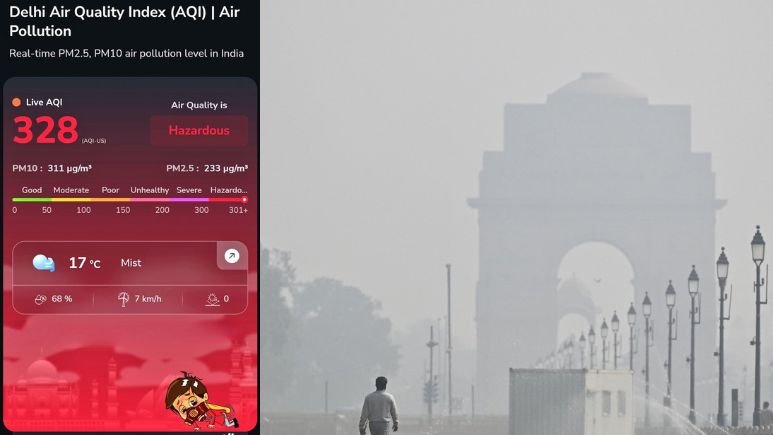

Delhi air pollution levels 2025. AQI reaches severe in multiple zones across the capital. Here are the main causes, government actions, and practical guidance for residents.
Delhi’s Air Quality Worsens as Winter Sets In
Air quality across Delhi deteriorated sharply in November 2025, with AQI readings frequently crossing 400 in several locations. Stations in Anand Vihar, Rohini, ITO, and Jahangirpuri reported sustained severe values. Visibility dropped across central and east Delhi, and residents reported respiratory discomfort in hospitals and clinics. Public health advisories urged citizens to limit outdoor exposure, particularly during early morning and evening hours.
Key Drivers of Delhi’s Pollution Levels in 2025
Environmental agencies attribute the seasonal spike to a combination of regional and local sources that intensify during late autumn.
1. Stubble Burning in the Northwest Region
Satellite datasets confirmed a concentrated phase of crop residue burning across Punjab and Haryana. During peak days, analysts estimated that nearly half of Delhi’s fine particulate load originated from these external emissions carried by northwesterly winds.
2. Traffic and Industrial Output
Despite the spread of metro connectivity, the city continues to rely heavily on private vehicles. Diesel trucks, two wheelers, and older commercial vehicles added significant nitrogen oxides and particulate matter. Industrial clusters along the border zones also contributed steady emissions throughout the season.
3. Construction and Road Dust
Large scale construction activity across residential and commercial corridors stirred heavy dust. Unpaved roads and ongoing repair work added to the particulate burden, especially during dry spells.
4. Household Energy Use and Waste Burning
Some residential pockets still rely on biomass for heating and cooking. Waste burning incidents, particularly near landfill sites, produced local emissions that worsened neighborhood air quality.
5. Seasonal Weather Patterns
Low wind speeds, temperature inversion, and limited rainfall trapped pollutants closer to the ground. Meteorological conditions prevented normal dispersion, creating prolonged pollution episodes.
Government Actions Under the Revised GRAP
The Commission for Air Quality Management activated the higher stages of the Graded Response Action Plan as AQI readings moved deeper into the severe band. The Delhi government introduced a set of measures aimed at controlling emissions and limiting exposure.
Measures Announced in November 2025
- Classes up to Grade 5 shifted to partial online mode. Outdoor activities in schools were paused across the city.
- Construction and demolition activities were halted at non compliant sites.
- High pollution category vehicles faced restricted entry. Public transport fleets were expanded to reduce personal vehicle use.
- Government and private offices operated with reduced on site staff and encouraged remote work.
- Several industrial units received temporary closure instructions for exceeding emission allowances.
- Multiple municipal teams conducted intensified checks on road dust control, debris management, and waste burning.
Officials reported that more than one thousand enforcement teams were deployed across districts to monitor compliance with GRAP regulations.
For context, readers can explore related topics such as how Delhi’s GRAP system functions, how regional coordination affects NCR air quality, and how air quality monitoring instruments are calibrated across Indian cities.
Practical Steps Residents Can Take
Experts emphasize that personal and community level actions help reduce exposure and support broader pollution control goals.
1. Reduce Private Vehicle Usage
Residents are encouraged to rely on metro services, buses, carpooling, or cycling for short trips. Limiting solo vehicle use even a few days per week can lower overall emissions.
2. Avoid Burning Waste
Burning leaves or household trash releases toxic pollutants. Citizens are urged to use composting systems and municipal collection points instead.
3. Improve Energy Efficiency at Home
Electric cooking and heating options reduce the load on older thermal power plants. Households can also limit consumption during peak hours.
4. Manage Indoor Air Quality
Air purifiers, sealed windows during high pollution hours, and certain indoor plants can improve indoor environments, especially for sensitive groups.
5. Use Protective Masks Outdoors
N95 and N99 grade masks remain effective for reducing particulate exposure during severe AQI conditions.
6. Track Air Quality Updates
Government and civic apps provide real time AQI data and forecasts. Planning errands, exercise, and travel around these updates helps reduce risk.
7. Report Violations
Residents can use civic complaint platforms to flag waste burning, unmanaged construction dust, and unauthorised industrial operations. Timely reports often prompt faster administrative response.
Long Term Outlook for Delhi’s Air Quality
Environmental researchers caution that lasting improvement will require coordinated action across states, stronger regulation of crop residue management, expansion of zero emission public transport, and reliable waste handling practices. Without sustained efforts across these sectors, seasonal pollution spikes will continue placing pressure on the city’s public health systems.
Summary Delhi’s air pollution in 2025 has reached severe levels across multiple districts. Government agencies have activated higher stages of GRAP while encouraging remote work, school restrictions, and tighter industrial regulation. Residents can also take individual steps to reduce exposure and contribute to cleaner air. The path to improvement requires a sustained shift in energy use, regional cooperation, and long term planning.













Leave a comment