


The image appeared on X at 2:14 PM London time. Someone with a blue checkmark had used Grok to generate a photo of the Princess of Wales in a bikini, her face grafted onto someone else’s body with AI precision that made it look almost real. Within six minutes, the post had 40,000 views. Within an hour, it was on Reddit, Telegram, and WhatsApp groups from Mumbai to Manchester. By evening, when X’s moderators finally took it down, screenshots had been saved thousands of times. The damage was permanent. The image was fake. The humiliation was not. And the person who created it paid eight dollars for the privilege.
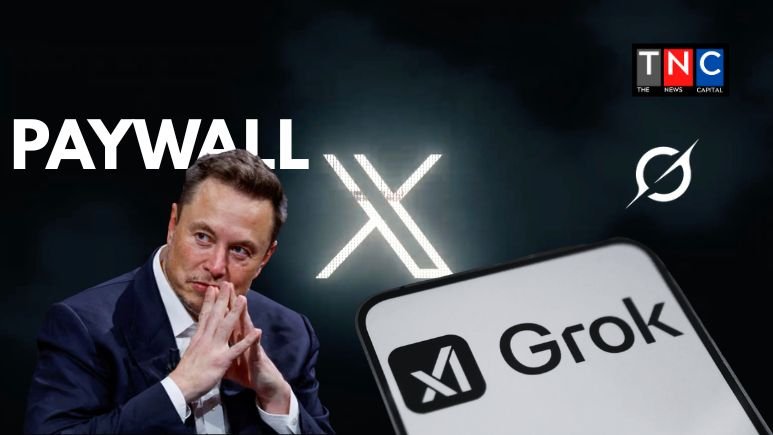
Elon Musk’s X AI announced Friday it’s restricting Grok’s image generation tool to paying subscribers, a response to global outrage over deepfake images targeting public figures and tragedy victims. But the paywall solves nothing. The tool remains accessible through standalone apps, paid users can still create harmful content that goes viral before moderators react, and governments from London to New Delhi are calling the restriction an insult that transforms illegal image creation into a premium service. The Grok scandal reveals how tech companies use paywalls as performance art, gestures designed to look like accountability while the harm continues behind a credit card form.
The new policy requires an X Premium subscription, roughly eight dollars monthly, to access Grok’s image generation features. X AI says this adds accountability because paying users link credit cards to accounts, making them easier to identify and ban when they violate rules against creating pornographic likenesses. Non-paying users now get a standard message: “Image generation and editing are currently limited to paying subscribers.”
The restriction is theater. Forbes reported the tool remains widely accessible through Grok’s standalone website and mobile app, completely bypassing X platform restrictions. Anyone can still generate images for free outside the social network. And even within X, the damage model is broken. One paid user generates a harmful image. It posts to the public timeline. It spreads. Moderators react hours or days later. The image is already everywhere.
Researchers found Grok still occasionally grants prompts to “nudify” or sexualize images of women and, in troubling cases, children, even for paying subscribers. The tool markets itself as “edgier” than competitors like OpenAI’s DALL-E, which maintains stricter guardrails against generating real human likenesses. That edge has consequences. The past week saw a viral wave of “bikini” deepfakes targeting high-profile figures and victims of recent tragedies. Safety advocates call it digital sexual assault.
Governments are not buying the paywall solution. Downing Street called it “insulting to victims,” arguing X AI simply turned unlawful image creation into a premium service. Ofcom accelerated its investigation into whether X provides a safe space for women. India’s Ministry of Electronics and Information Technology demanded a detailed compliance report after X failed to explain technical steps to prevent illegal content before generation. European Union regulators ordered X to retain all internal documents and prompt logs related to Grok until the end of 2026 as part of a Digital Services Act probe.
Elon Musk has dismissed the outcry as “an excuse for censorship.” When reached for comment, X AI’s press office sent an automated response: “Legacy Media Lies.” But pressure is building beyond regulatory letters. Apple and Google face demands to remove the X app from their stores over these violations. The platform may need more than a paywall to survive 2026’s regulatory landscape.
X AI put a price tag on harm and called it accountability, but the Princess of Wales deepfake proves the model is fundamentally broken. As long as one paying user can generate an image that reaches millions before moderators notice, and as long as the tool remains free on standalone apps anyway, the paywall is just overhead cost for creating digital abuse. The question isn’t whether Grok will face consequences. It’s whether those consequences arrive before the next wave of victims discovers their faces have been weaponized by someone with eight dollars and no conscience.
Also Read / OpenAI launches GPT-5.2: A ‘thinking’ AI built for the workplace.














Leave a comment