

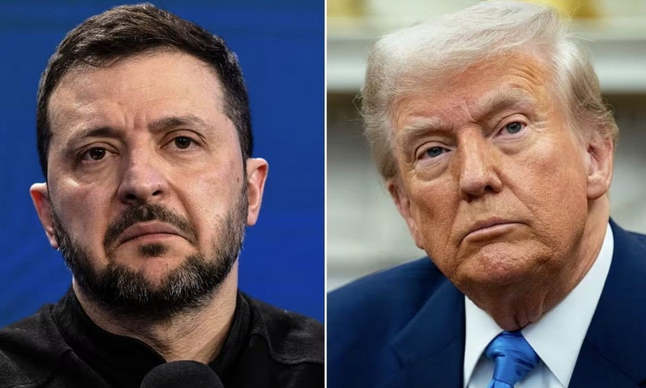

US Ukraine revised peace plan. Washington and Kyiv release an updated proposal addressing security guarantees, territorial issues, and diplomatic oversight as efforts to end the Russia war intensify.
A Significant Step in Ongoing Diplomacy
The United States and Ukraine have released a revised peace framework following several days of negotiations in Geneva. This updated plan is the first major diplomatic development in months and signals a renewed attempt to push the nearly four year Russia Ukraine war toward a negotiated settlement. Officials involved in the talks describe the revised document as more balanced than previous drafts and better aligned with Ukrainian security needs.
The plan builds on weeks of consultations between Washington, Kyiv, and key European governments who have been urging both countries to refine their earlier proposals. The earlier draft was widely criticized within Ukraine for appearing too restrictive and, in some sections, too accommodating to Russian demands. The new version aims to answer those concerns while keeping open a path for eventual Russian participation.
Key Elements of the Revised Security Provisions
At the center of the new document is a stronger set of security guarantees designed to deter any future Russian military action. The United States and major European partners have agreed to coordinate a rapid response mechanism that would activate military assistance and renewed sanctions should Russia violate the terms of a final agreement.
While exact provisions have not been released publicly, Ukrainian officials say the guarantees reflect essential national security priorities. The plan also allows Ukraine to maintain a sizable defensive military presence, removing earlier limits that were widely rejected by Kyiv’s political leadership.
NATO membership is not addressed as an immediate possibility. Instead, the plan outlines a series of long term security consultations involving the United States, NATO allies, Ukraine, and Russia. European diplomats hope that this structure can create predictable communication channels while reducing the risk of accidental escalation.
Territorial Issues Remain the Most Difficult Challenge
Territorial questions continue to be the most sensitive and politically charged aspect of the negotiations. The new framework does not pre-assign territorial concessions to Russia. Instead, it proposes that negotiations begin from the current frontlines, with all contested areas subject to future review.
Crimea, Donetsk, and Luhansk would be handled under a separate track that recognizes current realities without granting permanent legal status. Kherson and Zaporizhzhia would be managed through temporary arrangements that freeze positions while allowing for future dialogue, possible demilitarized zones, and limited international monitoring.
European governments have pushed for flexibility on these territorial arrangements, arguing that overly rigid definitions could undermine any chance for a long term settlement. Several capitals have also pressed for periodic reviews to give Ukraine opportunities to revisit unresolved territorial claims.
Kyiv Faces Complex Political Pressures
President Volodymyr Zelenskyy and his administration are navigating significant political pressure as they consider the revised proposal. Public opinion in Ukraine remains sharply divided. Many lawmakers oppose any peace agreement that legitimizes Russian control over Ukrainian land captured since 2014. Others argue that the country needs stable security guarantees and renewed economic support even if difficult compromises are required.
Zelenskyy stated in a recent address that Ukraine seeks a just peace that protects sovereignty and does not reward aggression. He did not comment directly on the territorial sections but emphasized that no agreement would be accepted without meaningful international safeguards.
Moscow’s Initial Reaction and Remaining Barriers
Russia has not formally responded to the revised plan. Kremlin officials have repeated long standing positions that any settlement must recognize what they describe as new territorial facts. Russian representatives have also stated that Ukraine must remain outside NATO and adopt limitations on future military development.
Diplomats note that Moscow is highly sensitive to enforcement provisions. The sequence of territorial, economic, and security steps will likely determine whether Russian leaders consider the plan acceptable.
Timeline, Oversight, and International Implications
The United States and Ukraine hope to finalize the main sections of the agreement before their self-imposed deadline later this week. European governments are expected to review the document once the text is completed. Several capitals have signaled concern about any peace arrangement that freezes the conflict without addressing long term stability and humanitarian issues.
One proposal under discussion is the creation of an international Peace Council that would monitor compliance, investigate violations, and oversee the automatic sanctions process. The final structure of this council has not been determined. Participation from the European Union and additional regional partners is likely to become a central issue.
Reactions from Political and Strategic Stakeholders
Government officials in Washington have framed the revised plan as a practical way to reduce violence while preserving core Ukrainian interests. European leaders have adopted a cautious but supportive tone, warning that any agreement must protect the long term security architecture of the region.
Within Ukraine’s parliament, debate has intensified. Some members see the proposal as a necessary compromise to secure continued Western support. Others argue that Ukraine cannot accept any territorial freeze without guarantees for eventual restoration of internationally recognized borders.
Summary
The US Ukraine revised peace plan marks a renewed attempt to find a diplomatic path toward ending the Russia war. Stronger security guarantees, a more flexible approach to territorial questions, and new oversight proposals give the framework greater political balance. The next phase of negotiations will determine whether these changes can bring Ukraine, Russia, and international partners closer to a sustainable settlement.










Leave a comment