

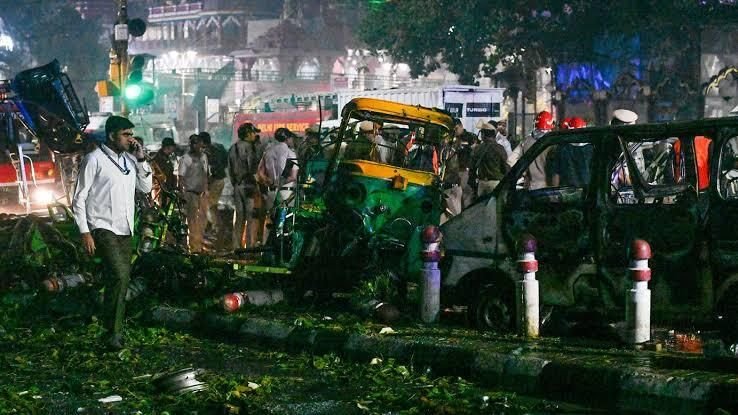

The iconic Red Fort in Delhi, a symbol of India’s cultural legacy and independence, was rocked by a high-intensity car bomb attack on the evening of November 10, 2025. The explosion, which killed nine people and injured twenty more near the crowded Lal Qila Metro station, sent shockwaves across the capital and reignited a national debate around urban security, terrorism, and the evolving methods of extremist groups like Jaish-e-Mohammad (JeM).
Anatomy of the Attack: What Happened at Red Fort
On Monday evening, a white Hyundai i20, with Haryana number plates, pulled up to a busy traffic signal near the Red Fort. The car, reportedly parked at the site for nearly three hours, detonated at 6:52 PM, raining shrapnel and fire on commuters, passersby, and nearby vehicles. CCTVs captured the moments before and after the blast a regular workday turned into scenes of panic and chaos as crowds ran for safety.
Thirty minutes prior, police had arrested key members of a terror cell in Faridabad, Haryana, and in South Kashmir. Among those picked up was the car’s registered owner, Dr. Umar Mohammad, a Pulwama-based physician whose links traced back to Jaish-e-Mohammad. Other members, Dr. Mujammil Shakeel and Dr. Adil Rather, were already in custody; documents showed an elaborate plan involving ammonium nitrate, detonators, and encrypted communication channels.
The Terror Trail: From Kashmir to Delhi
The investigation quickly established the plot’s origins in Kashmir police flagged connections to a “white-collar” terror module spread across Surat, Faridabad, and Delhi. Hours before the blast, authorities seized nearly 2,900 kg of explosives in Faridabad, including 350kg of ammonium nitrate, two assault rifles, and technical manuals for bomb-making.
Forensic evidence found at the blast site matched the chemicals recovered in Haryana, pointing to coordinated planning, remote triggering, and contingency actions in case key operatives were arrested. Intelligence sources suggested Umar Mohammad may have acted in panic once his associates were nabbed, transforming the attack from a targeted bombing to a suicide blast aimed at maximizing casualties and generating headlines.
Jaish-e-Mohammad’s Role and Modus Operandi
Jaish-e-Mohammad (JeM), the Pakistan-based extremist outfit, has long targeted India’s political and cultural institutions. Over the last decade, its approach has evolved:
- Recruitment of “white-collar” professionals: doctors, engineers, and students with access to resources and legitimate travel.
- Multi-state cells: decentralized modules operating independently but linked via encrypted apps and handlers in Pakistan.
- Focus on soft targets: Dense urban localities, commuter hubs, and sites of national significance where attacks guarantee visibility.
- Innovation in explosives: Use of ammonium nitrate-based car bombs, often concealed in ordinary vehicles to bypass police checks.
Security and Response: India’s Anti-Terror Strategy Tested
In the immediate aftermath, Delhi was placed under high alert. Metro stations including Lal Qila were shuttered, and the Red Fort closed to visitors for three days. Rapid cordons and medical triage at LNJP Hospital and AIIMS Trauma Center saved lives, but also exposed gaps in emergency planning and urban surveillance.
Union Home Minister Amit Shah convened a crisis meeting with the Delhi Police Commissioner, NIA chief, and DGPs from J&K and Maharashtra. The result: an expanded probe coordinated by the National Investigation Agency (NIA) under sections of the Unlawful Activities Prevention Act (UAPA), and a fast-tracked review of metro and historic site security.
India’s evolving counter-terror playbook now emphasizes:
- Pre-emptive intelligence: Use of digital surveillance, informant networks, and AI-driven analysis.
- Integrated response: Joint operations between state police, ATS, and national agencies.
- Community vigilance: Encouraging public reporting, training, and awareness.
Human Impact: Grief and Resilience
The faces of tragedy were broadcast across NDTV and social media: families searching for missing loved ones outside hospitals; the story of Ashok Kumar, a DTC bus conductor who died while helping another victim; hundreds mourning in Amroha and other affected regions.
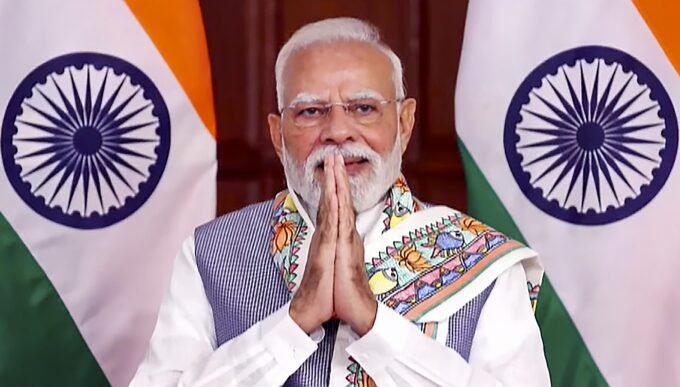
Political leaders, including PM Modi and Bengal’s Abhishek Banerjee, offered condolences and called for accountability. The tragic loss also served as a reminder that terror seeks not only lives but the psychological fabric of a nation.
What the Red Fort Bombing Means for the Future
Urban Security Reset
Delhi’s attack revealed both strengths and weaknesses in India’s anti-terror apparatus. While rapid arrests prevented wider carnage, police are now reviewing open parking policies, metro access controls, and tracking of vehicle movement near high-value sites. Counter-terror drills and technology upgrades are back in the spotlight.
Interstate Collaboration
The plot’s multi-state nature signals a need for seamless coordination across state borders, especially as terror modules use legal travel and digital anonymity.
Counter-Radicalization
Officials stress that new recruitment and radicalization tactics especially among educated youth must be tackled jointly by law enforcement, educators, and digital platforms.
Conclusion: Resolute Against Terror, United in Response
The Delhi Red Fort car bomb attack has shaken India’s capital but also demonstrated the resolve of its people, security forces, and policymakers. As the investigation continues and lessons are absorbed, the national priority is clear: innovate, adapt, and strengthen every layer of defense against those who wish to destabilize a vibrant democracy.
From street-level vigilance to tech-driven countermeasures, India’s anti-terror strategy must evolve because the threats, as the Red Fort blast tragically revealed, are changing every day.










Leave a comment