

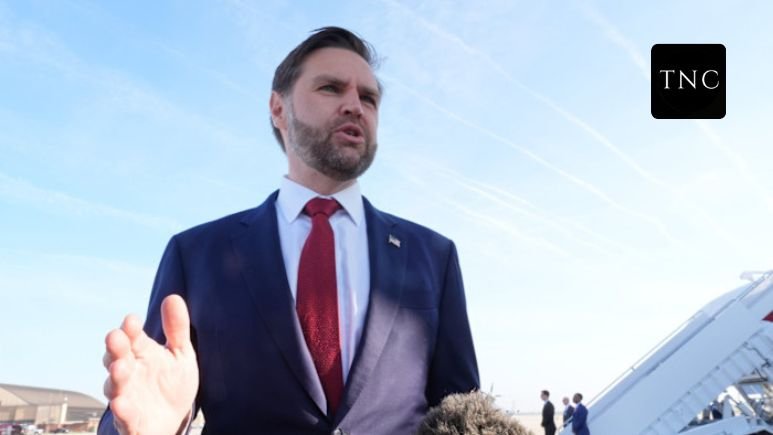

The convoy rolled through Islamabad just before noon, sirens cutting through the heavy spring air. Inside one of the armored SUVs, aides leaned over folders stamped “confidential,” whispering updates as helicopters hovered above. On the tarmac minutes earlier, U.S. Vice President JD Vance had stepped off Air Force Two into a city on edge, its streets locked down, its hotels sealed, its future, for a moment, tied to a single diplomatic gamble. Across town, Iran’s delegation had already arrived, carrying demands that could stall talks before they even began.
This is not just another diplomatic visit. It is the first serious attempt in decades to pull Washington and Tehran back from the brink of a widening war and it comes at a moment when even a fragile ceasefire feels temporary at best.
What is unfolding in Islamabad is more than a meeting; it is a test of whether diplomacy can still function in a fractured geopolitical order.
The United States and Iran are emerging from a six-week conflict that has destabilized the Middle East, disrupted oil routes, and threatened global markets. The ceasefire that brought both sides to the table is fragile, shaped less by trust and more by exhaustion and pressure from allies, markets, and the risk of escalation.
Pakistan’s role as mediator is not accidental. It spent days pulling both sides back from collapse, leveraging relationships across Washington, Tehran, and regional powers to create a narrow diplomatic opening.
Now, that opening is narrowing.
The challenge facing Vance is stark: negotiate peace with an adversary that does not fully trust the process and may not need to.
Iran enters the talks with leverage. Its influence over the Strait of Hormuz, a critical artery for global oil, gives it economic weight. Its battlefield resilience has strengthened its negotiating posture.
The U.S., meanwhile, arrives with clear demands: halt nuclear enrichment, curb proxy conflicts, and restore maritime stability. But those demands collide with Iran’s own preconditions unfreezing assets, addressing regional conflicts like Lebanon, and securing guarantees against future strikes.
This is not a negotiation where both sides meet in the middle. It is a negotiation where both sides test how much the other is willing to concede without collapsing the ceasefire.
Even before talks begin, uncertainty hangs over participation itself. Iranian officials have signaled they may walk away if conditions are not met.
For JD Vance, this moment is personal as much as political.
A vice president who once criticized foreign entanglements now finds himself leading the most consequential U.S.–Iran dialogue since 1979. The assignment carries risk: success could redefine his political future; failure could reignite a war neither side can fully control.
His warnings before departure urging Iran not to “play” the U.S. reflect the thin line he must walk: open to diplomacy, but ready for escalation.
Even as diplomats gather, the ground reality remains volatile.
Violence in Lebanon, Israeli strikes, and competing regional interests threaten to derail progress before agreements can take shape. The ceasefire is not peace, it is a pause, contingent on outcomes that may take weeks, if not months, to materialize.
And yet, the cost of failure is immediate. A breakdown could push the region back into open conflict, disrupt global oil flows, and deepen already fragile alliances.
In Islamabad, the question is not just whether the U.S. and Iran can reach a deal. It is whether they can avoid proving that, in 2026, even the highest-stakes talks may no longer be enough to stop a war already in motion.
Also Read / Jets Over Islamabad: Is Pakistan Securing the Peace Talks or Performing for the World?









Leave a comment