

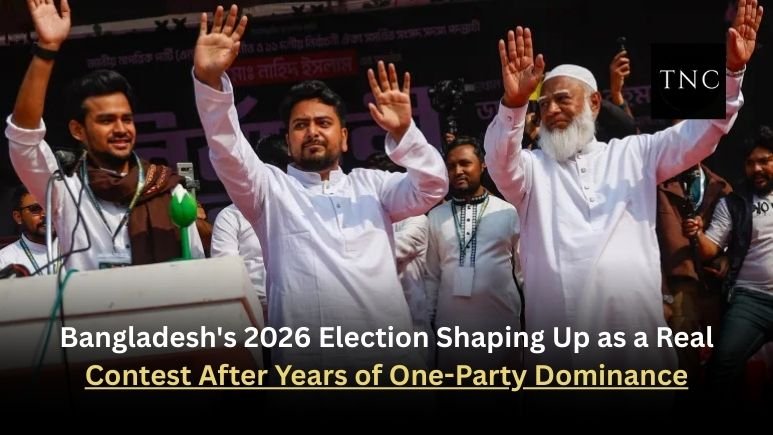

Bangladesh is heading into what could be its most unpredictable election in years, and the biggest reason is who’s not on the campaign trail: Sheikh Hasina. For the first time in decades, the long-serving Prime Minister isn’t leading the charge, and that absence has completely changed the game. Meanwhile, the opposition Bangladesh Nationalist Party is smelling opportunity, and the Islamist party Jamaat-e-Islami is making a comeback that has people talking.
Political watchers say this isn’t just another election cycle. The whole power structure that’s been in place for years is suddenly up for grabs, and nobody’s entirely sure how it’s all going to shake out.
A campaign without its biggest name
It’s hard to overstate what a big deal it is that Sheikh Hasina isn’t front and center in this race. Her Awami League party is still running candidates everywhere, but without her personal star power driving the campaign, things just feel different. Opposition parties that have been waiting for an opening like this are going all-out to convince voters it’s time for a change.
The Awami League folks are doing their best to tell people that the party is bigger than any one person, talking up their track record on development projects and asking voters to trust the team they’ve built. But there’s no getting around the fact that Hasina’s absence has left a vacuum that everyone’s trying to fill.
BNP sees its moment
The Bangladesh Nationalist Party has been down but not out for years, and they’re treating this election like it’s their shot at redemption. Their campaign is hammering away at economic concerns, talking about cleaning up how the government works, and demanding more transparency in how institutions operate. They’re trying to tap into all the frustration people have built up over the years and channel it into votes.
The big question is whether they can actually turn all that energy into seats in parliament. A lot depends on whether people in the cities show up to vote and whether young voters, who can be unpredictable, decide to get involved. Those two factors alone could make or break the BNP’s comeback attempt.
The Islamists are back in the game
What’s also caught people’s attention is how Jamaat-e-Islami has bounced back organizationally in quite a few areas. Political analysts say this reflects how opposition groups are reshuffling the deck, forming new alliances, and trying different strategies to pull together enough support to challenge the status quo.
Jamaat’s chances vary a lot depending on where you’re looking in the country, but even where they might not win outright, they could play kingmaker in tight races. After the votes are counted, their presence could really matter when it comes time to form coalitions and figure out who actually gets to govern.
Everything’s on the line
With so many different political forces jockeying for position, people inside and outside Bangladesh are watching this election like it’s a pivotal moment for the country’s democratic future. How many people actually turn out to vote, which regions align with which parties, and who can cut the best deals after Election Day will determine what Bangladesh looks like politically for years to come?
Election officials are promising beefed-up security and better monitoring to make sure voting goes smoothly and fairly. Once the final results come in, they’re going to set the country’s course for the foreseeable future. Right now, though, it feels like anyone’s guess how this all plays out.
Also Read / End of an Era: Former Bangladesh PM Khaleda Zia dies at 80 amid national mourning












Leave a comment