

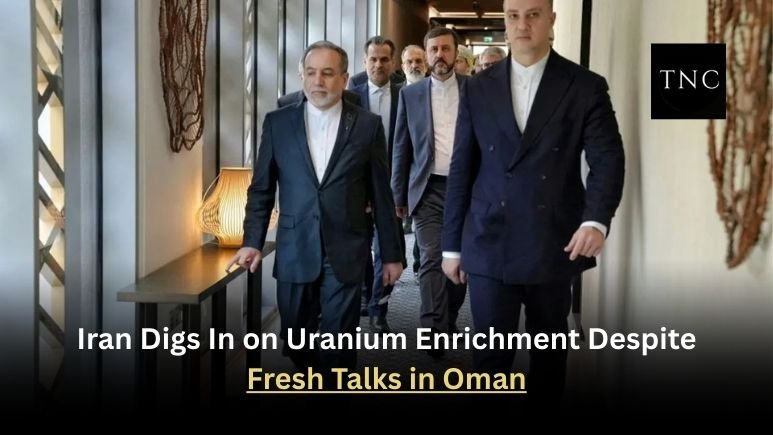

Iran made it crystal clear this week that it’s not backing down on uranium enrichment, throwing cold water on hopes that new negotiations with the United States might quickly ease one of the world’s most stubborn standoffs.
Speaking bluntly, Iranian Foreign Minister Abbas Araghchi drew a red line around the country’s enrichment program, calling it a “non-negotiable” right that Iran won’t give up, no matter how much pressure comes from outside or what military threats might be floating around. His comments came as diplomats from both countries sit down for talks in Oman, trying to find some common ground after years of frozen relations.
A difficult conversation gets started again
These negotiations represent the first real attempt in years for Washington and Tehran to actually talk things through, but they’re happening at probably the worst possible time. Military tensions are running high across the region, troops are deployed in greater numbers than usual, and neither side trusts the other very much. Both countries are saying they’re willing to give diplomacy a shot, but when you get down to the details, they’re miles apart on what they actually want.
The American position is straightforward: they want tight, verifiable limits on what Iran can do with its nuclear program. Iran’s position is equally straightforward: lift the economic sanctions that have been choking our economy for years, and we’ll talk. Iranian negotiators have hinted they’re willing to take some steps to build trust, but they keep coming back to the same point: enriching uranium for peaceful purposes isn’t something they’re going to stop doing.
The trust problem runs deep
Western countries, especially Israel, have been losing sleep over Iran’s enrichment activities for years. Their worry is simple: if you can enrich uranium for power plants, you’re not far from being able to enrich it for weapons. Iran keeps insisting, over and over, that this is all about generating electricity and doing scientific research, nothing more sinister than that.
But Iran has its own trust issues with Washington. From Tehran’s perspective, the continued sanctions and the very real military presence in the region suggest that America might be going through the motions of diplomacy without really being serious about it. Iranian officials are basically saying: show us you mean it by actually lifting some sanctions, and then we’ll see if these talks are worth our time. They’re looking for what they call “mutual respect,” which really means treating Iran like an equal partner rather than a problem to be solved.
The stakes couldn’t be higher
The people who study these situations for a living are watching the Oman talks nervously because so much depends on how they turn out. If somehow these two countries manage to strike a deal, it could calm things down across the entire Middle East, stabilize oil markets, and remove one major headache from the global security picture. But if the talks fall apart, we could be looking at a dangerous escalation, possibly even military confrontation that nobody really wants but that could happen anyway through miscalculation or accident.
The one sliver of hope is that despite all the harsh words and fundamental disagreements, both sides keep saying they’ll continue talking. It’s a fragile thread, but it suggests that maybe, just maybe, if they keep at it long enough, they might eventually hammer out something that addresses the nuclear concerns while giving Iran some economic relief. Whether that actually happens is anyone’s guess at this point.
Also Read / Brinkmanship in Muscat: U.S.-Iran Nuclear Talks Salvaged for Friday Summit.












Leave a comment