

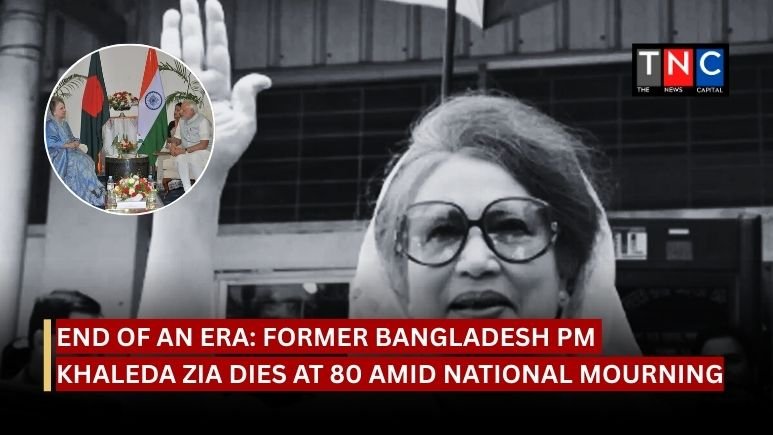

The passing of the “Uncompromising Leader” marks a seismic shift in Bangladesh’s political landscape, occurring just weeks before a high-stakes national election and following a wave of communal unrest that has gripped the nation.
Begum Khaleda Zia, the first female Prime Minister of Bangladesh and chairperson of the Bangladesh Nationalist Party (BNP), passed away early Tuesday morning (December 30, 2025) at the age of 80. Zia died around 6:00 AM local time while receiving treatment for prolonged heart and lung complications at Evercare Hospital in Dhaka. The BNP has declared seven days of official mourning, ordering black flags to be raised at all party offices nationwide to honor the three-time premier.
Zia’s death comes at a moment of profound political transition. Her son and acting BNP chairman, Tarique Rahman, returned to Bangladesh on December 25 after 17 years in exile, just in time to spend his mother’s final days by her bedside. Rahman is now expected to take on full-time leadership of the party as it prepares for the February 12, 2026, national elections.
The nation is still on edge after a violent two weeks of unrest that has overshadowed the transition:
- The Killing of Dipu Chandra Das: On December 18, a 27-year-old Hindu factory worker, Dipu Chandra Das, was lynched by a mob in Bhaluka, Mymensingh. Accused of blasphemy, Das was beaten, hanged from a tree, and his body set on fire, an act that triggered international condemnation and protests at the Bangladesh High Commission in New Delhi.
- The Death of Osman Hadi: The unrest was largely sparked by the death of Sharif Osman Hadi, a radical youth leader and spokesperson for Inquilab Manch. Hadi died from gunshot wounds in Singapore on December 18 after an assassination attempt allegedly carried out by Awami League loyalists. His death ignited riots and attacks on cultural centers and prominent newspapers like Prothom Alo and The Daily Star.
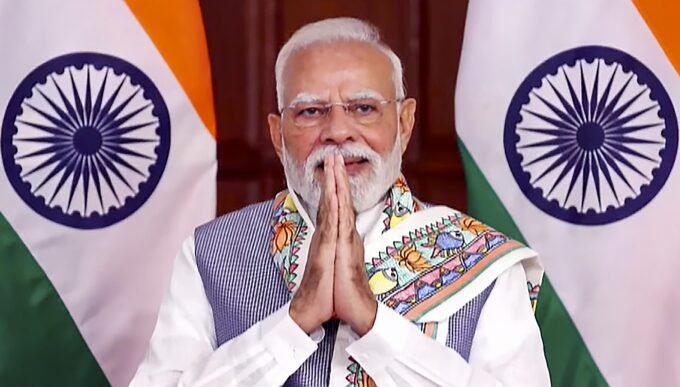
Indian Prime Minister Narendra Modi was among the first world leaders to offer condolences, saying Zia’s “important contributions towards the development of Bangladesh and India-Bangladesh relations will always be remembered.” US and Pakistani officials also released statements acknowledging her role in the country’s democratic transition.
“We mourn an irreplaceable loss not only for the BNP but for the entire nation,” BNP senior joint secretary general Ruhul Kabir Rizvi said. Meanwhile, the Chief Adviser of the interim government, Professor Muhammad Yunus, expressed “profound sorrow,” even as his administration faces intense scrutiny over the failure to protect minorities during the December riots.
Khaleda Zia’s legacy is defined by her fierce rivalry with the now-exiled Sheikh Hasina, a “Battle of the Begums” that shaped Bangladesh for three decades. Having led the anti-Ershad movement in the 1980s, Zia rose to become the second female leader of a Muslim-majority country after Benazir Bhutto. Her final years were marred by legal battles and imprisonment, though she was acquitted of her last corruption charges in early 2025, briefly allowing her to file for the upcoming election before her health failed.
As the mourning period begins, the focus shifts to Tarique Rahman’s ability to steer the BNP through the upcoming polls. With the Awami League currently sidelined and the interim government struggling with law and order, Zia’s death may act as a unifying force for the BNP base, or it could further complicate the delicate security situation involving radical factions emboldened by recent violence.
Also Read / BNP expresses gratitude to PM Modi for offer of support as Khaleda Zia’s health worsens.












Leave a comment