

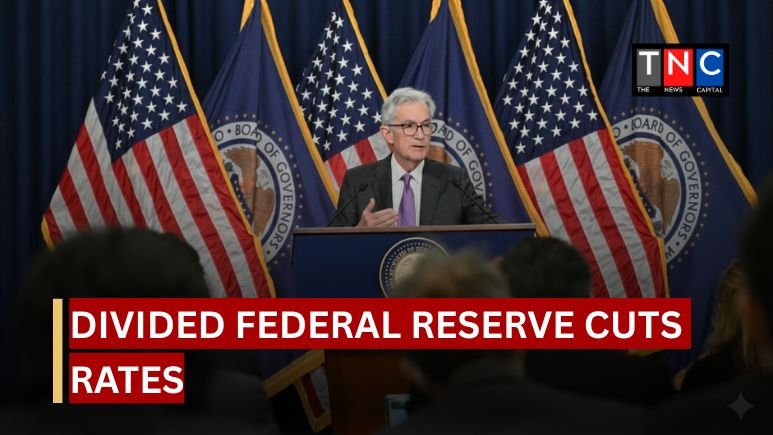

The US central bank has lowered borrowing costs for the third time this year, but a rare split among policymakers suggests the era of rapid rate cuts may be nearing its end.
The US Federal Reserve cut its benchmark interest rate by a quarter of a percentage point on Wednesday (10 December), dropping the target range to 3.50%-3.75%. But here’s what’s interesting: the decision exposed some serious division within the committee, with officials signaling they might only cut rates once in all of 2026 as they try to juggle sticky inflation and a cooling job market.
This is the third straight cut since September, bringing the federal funds rate to its lowest point since 2022. Markets expected the cut, but the “dot plot” of projections that came out alongside it told a different story. It showed a hawkish shift, with policymakers now expecting just one rate cut next year instead of the multiple cuts they’d previously forecast.
The vote itself was unusually messy, ending 9-3. That’s the most dissenting votes since 2019. Two regional Fed presidents, Austan Goolsbee from Chicago and Jeff Schmid from Kansas City, voted against the cut because they wanted to keep rates where they were. On the flip side, Governor Stephen Miran pushed for a bigger half-point cut. It highlights just how divided the central bank’s leadership has become.
“We are well positioned to wait and see how the economy evolves from here,” Fed Chair Jerome Powell said during his press conference, basically telegraphing that the central bank might hit pause on rate cuts in January while they look at more data.
“The labor market has continued to cool gradually, maybe a touch more gradual than we thought,” Powell added. He defended the cut as a kind of insurance policy against a weakening economy, but he also admitted inflation is still “somewhat elevated” above the 2% target.
The timing is tricky. Inflation has come down from its post-pandemic highs, but it’s stubbornly hanging around 2.9%. At the same time, unemployment has crept up to 4.4%, and job growth has slowed down a lot. Some of that might be because recent data got messed up by the 43-day government shutdown, but it’s still concerning.
This “hawkish cut” has left global markets in limbo. Sure, immediate borrowing costs dropped, which helps people with mortgages. But the signal that rates will stay “higher for longer” in 2026 could kill hopes for a big rally in stocks and emerging markets like India.
Everyone’s watching the next FOMC meeting on January 27-28, 2026. The committee made it clear they’re going to “carefully assess incoming data,” which analysts are reading as: the bar for another cut in January is extremely high. The focus now shifts to upcoming inflation reports and revised job numbers to see if this “soft landing” everyone keeps talking about is actually happening.
Also Read / Bitcoin jumps to $94,000 but ‘hawkish’ Fed cut threatens rally.












Leave a comment